
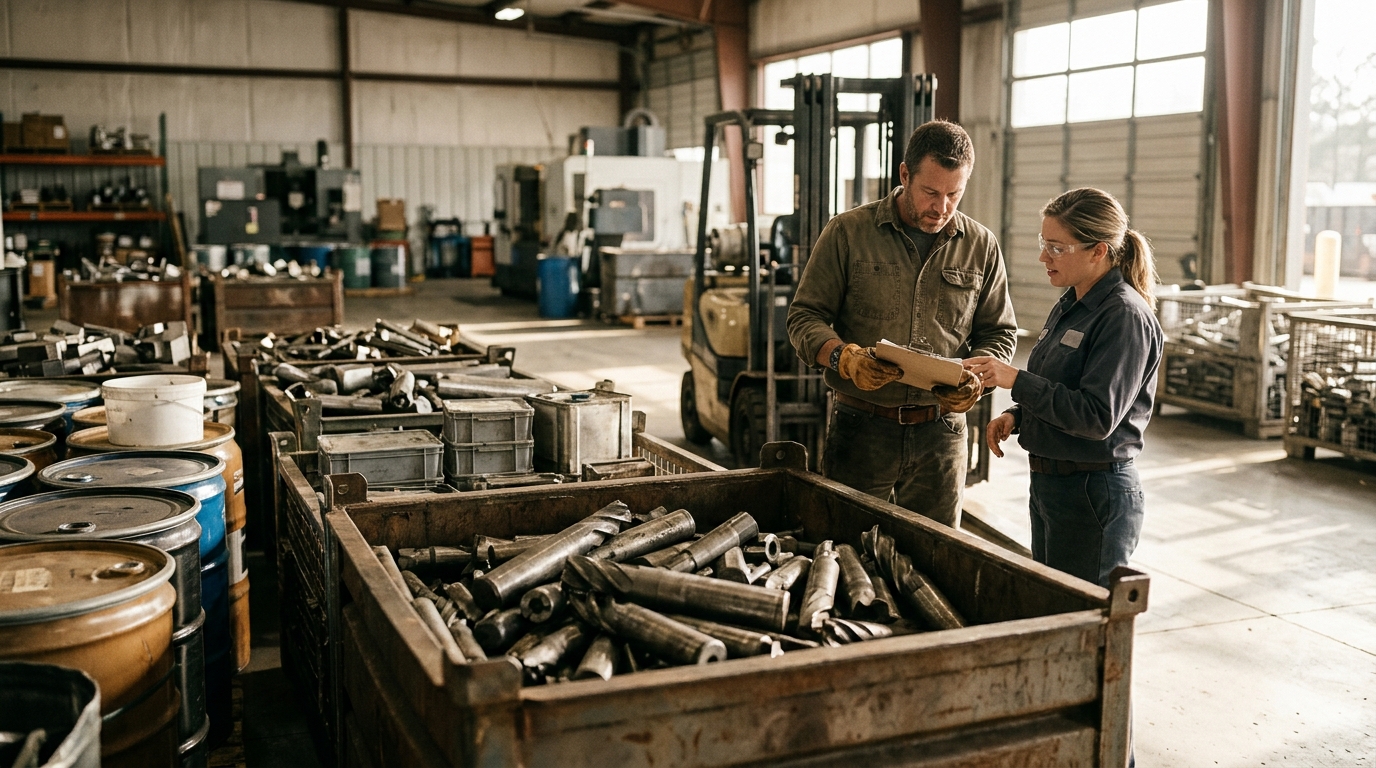
Industrial manufacturers and machine shops consistently report that recycling end-of-life cutting tools yields substantial operational savings. Recent industry data shows that tungsten carbide recycling programs generate an average 40 percent return on initial material costs for qualified buyers. This financial advantage stems from the rare earth elements embedded within the alloy matrix. Understanding how to process and present your inventory correctly directly impacts your final payout. You can maximize your returns by following established industry standards and partnering with specialized recyclers who prioritize material integrity.
Understanding Tungsten Carbide Composition
Tungsten carbide is a composite material composed of tungsten and carbon atoms bonded together. This atomic structure creates an exceptionally hard matrix that resists wear and deformation. Manufacturers bind these particles with cobalt to improve toughness and machinability. The precise ratio of tungsten to cobalt determines the final mechanical properties. Buyers evaluate this ratio to calculate the exact metal content. You should separate your inventory by cobalt percentage to ensure accurate pricing. High cobalt grades typically command lower prices per pound. Low cobalt grades contain denser tungsten concentrations and fetch premium rates. Proper segregation prevents cross-contamination during the melting process. Maintaining clean, distinct batches protects your profit margins.
Evaluating Scrap Grades and Purity Levels
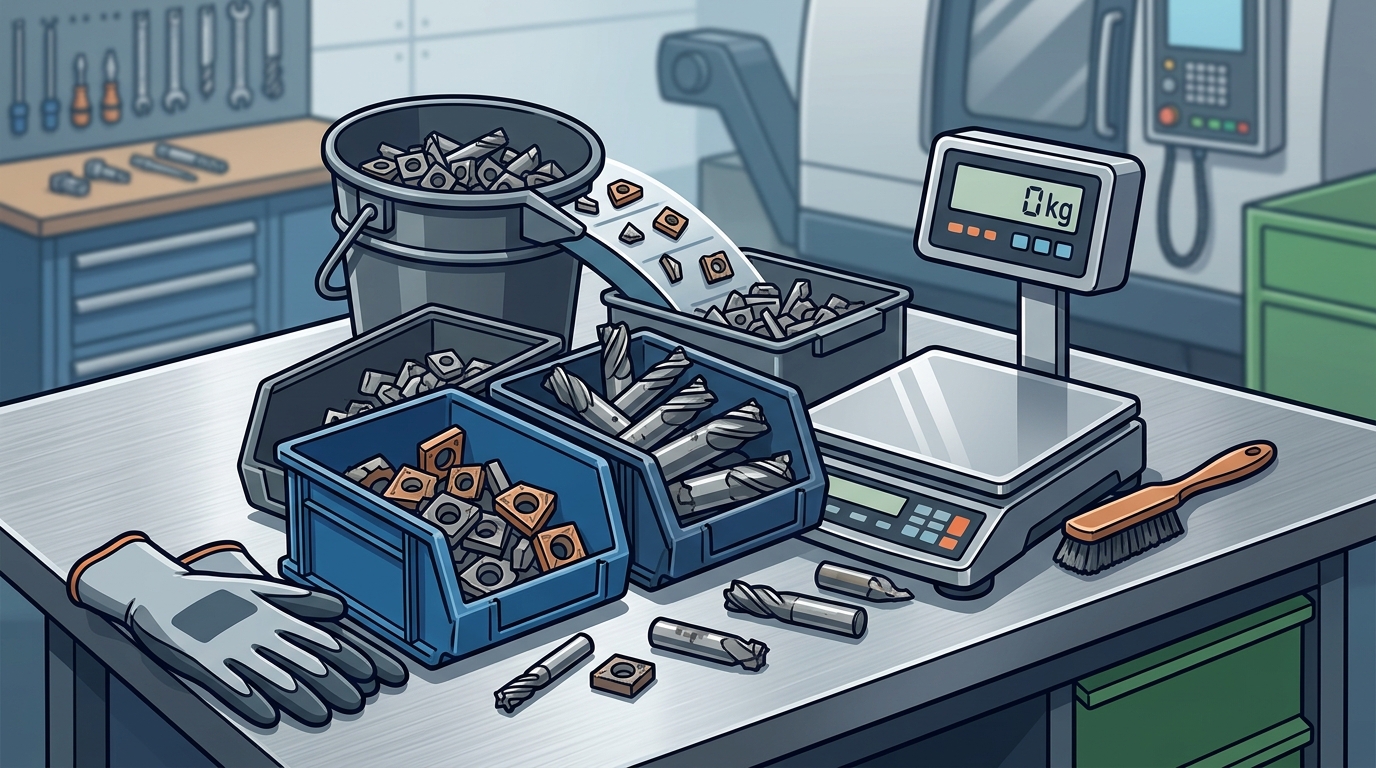
Scrap grading is the systematic classification of used cutting tools based on cobalt content and physical integrity. Recycling facilities categorize materials into distinct tiers to streamline processing. Grade A scrap includes clean, uncoated inserts and blank stock. Grade B scrap contains lightly coated or lightly used milling cutters. Grade C scrap encompasses heavily oxidized or contaminated fragments. Each tier requires specific handling protocols to preserve metal value. You must remove organic residues like cutting fluids and coolants before submission. These contaminants reduce furnace efficiency and increase refining costs. Clean materials undergo faster processing cycles and generate higher net payouts. Establishing a consistent sorting routine at your facility reduces administrative overhead. Consistent grading practices build long-term trust with specialized buyers.
Market Drivers Affecting Scrap Valuation
Global manufacturing output directly influences commodity pricing cycles. Recent reports indicate that Asian production facilities account for approximately 65 percent of worldwide tungsten consumption. This massive demand creates consistent baseline pricing for recycled materials. Geopolitical trade policies frequently alter export quotas and import tariffs. Supply chain disruptions often trigger temporary price spikes for qualified recyclers. You should monitor quarterly commodity reports to time your sales strategically. Market valuation is the calculated monetary worth of recycled industrial materials based on current commodity indices. Tracking these indices allows you to negotiate favorable contracts. Building long-term relationships with established buyers provides pricing stability. Stable contracts protect your facility against sudden market volatility.
Preparing Materials for Maximum Returns
Proper preparation directly correlates with faster processing times and higher payouts. You should store your inventory in dry, climate-controlled environments to prevent oxidation. Moisture exposure degrades cobalt binders and reduces overall metal recovery rates. Labeling each container with specific tool types prevents cross-contamination. Clear labeling also accelerates the initial inspection phase. Buyers prefer facilities that maintain detailed inventory logs. Detailed logs demonstrate operational maturity and reduce administrative friction. You should avoid mixing different cobalt percentages in a single shipment. Mixed shipments require additional sorting steps that reduce your net payout. Maintaining strict segregation protocols ensures you receive maximum value per pound. Consistent preparation standards streamline your entire recycling workflow.
Comparing Buyer Evaluation Methods
Different recycling facilities utilize distinct analytical approaches to determine scrap value. Some buyers rely on visual inspection and historical pricing models. Other facilities employ advanced spectroscopy to measure exact elemental composition. Spectroscopy provides highly accurate cobalt and tungsten measurements. This technology eliminates guesswork and ensures precise pricing calculations. You should request detailed evaluation reports before committing to a partnership. Transparent reporting demonstrates technical competence and builds mutual trust. You can explore our comprehensive recycling program to learn about our evaluation standards. Our team prioritizes analytical precision over simplified estimation methods. Choosing a technically advanced partner protects your financial interests. Advanced evaluation methods consistently yield higher net returns for qualified sellers.
| Scrap Category | Cobalt Percentage | Expected Value Range | Processing Priority |
|---|---|---|---|
| Uncoated Inserts | 6 to 12 percent | Premium tier | Immediate processing |
| Lightly Coated Tools | 12 to 18 percent | Standard tier | Routine processing |
| Oxidized Fragments | Variable content | Discounted tier | Extended processing |
| Contaminated Stock | Unverified content | Restricted tier | Manual inspection |
Key Takeaways
- Tungsten carbide recycling programs generate an average 40 percent return on initial material costs for qualified buyers.
- Global manufacturing output directly influences commodity pricing cycles and establishes baseline market rates.
- Asian production facilities account for approximately 65 percent of worldwide tungsten consumption.
- High cobalt grades typically command lower prices per pound compared to low cobalt alternatives.
- Spectroscopy provides highly accurate cobalt and tungsten measurements for precise pricing calculations.
- Moisture exposure degrades cobalt binders and reduces overall metal recovery rates.
- Transparent reporting demonstrates technical competence and builds mutual trust with specialized buyers.
Frequently Asked Questions
What is the minimum shipment size for tungsten carbide scrap?
Most specialized recycling facilities require a minimum shipment of 50 pounds to initiate processing. Smaller quantities often fail to cover transportation and administrative costs. You should consolidate your inventory before scheduling a pickup. Consolidating materials ensures your shipment meets operational thresholds. Meeting these thresholds guarantees efficient processing and faster payment cycles.
How do coating types affect scrap pricing?
Coating types directly impact refining costs and final metal recovery rates. Titanium nitride coatings require additional chemical separation steps. These extra steps increase processing expenses and reduce your net payout. You should separate uncoated inserts from coated tools to maximize returns. Separating materials prevents cross-contamination during the melting phase.
Can I sell mixed cobalt percentages together?
Mixed cobalt percentages require additional sorting steps that reduce your net payout. Buyers must manually separate each batch to calculate accurate pricing. Manual separation increases administrative overhead and extends processing timelines. You should maintain strict segregation protocols to ensure maximum value. Strict segregation protocols streamline your entire recycling workflow.
What documentation do I need to provide?
You should provide detailed inventory logs and material origin certificates. Origin certificates verify that your scrap meets environmental compliance standards. Detailed logs demonstrate operational maturity and reduce administrative friction. Providing complete documentation accelerates the initial inspection phase. Complete documentation ensures faster payment cycles and higher customer satisfaction.
How often are scrap prices updated?
Scrap prices update weekly based on global commodity exchange fluctuations. Weekly updates reflect current supply chain conditions and manufacturing demand. You should monitor these updates to time your sales strategically. Timing your sales correctly protects your facility against sudden market volatility. Strategic timing ensures you receive maximum value per pound.
Do recyclers charge handling fees?
Most specialized recyclers absorb standard handling fees for qualified shipments. Absorbing fees demonstrates operational maturity and builds long-term trust. You should verify fee structures before committing to a partnership. Verifying structures prevents unexpected deductions from your final payout. Clear fee structures protect your financial interests and streamline transactions.
Final Steps to Secure Top Dollar
Securing top dollar requires consistent preparation, accurate grading, and strategic timing. You should implement a facility-wide sorting routine to maintain material purity. Implementing routines reduces administrative friction and accelerates payment cycles. Partnering with specialized buyers ensures you receive analytical precision over simplified estimates. You can explore our comprehensive scrap buying services to learn about our evaluation standards. Our team prioritizes analytical precision over simplified estimation methods. Contact our sales team today to schedule your first evaluation. Visit our contact page to request a customized recycling proposal. Start processing your scrap inventory with confidence and secure maximum returns.