
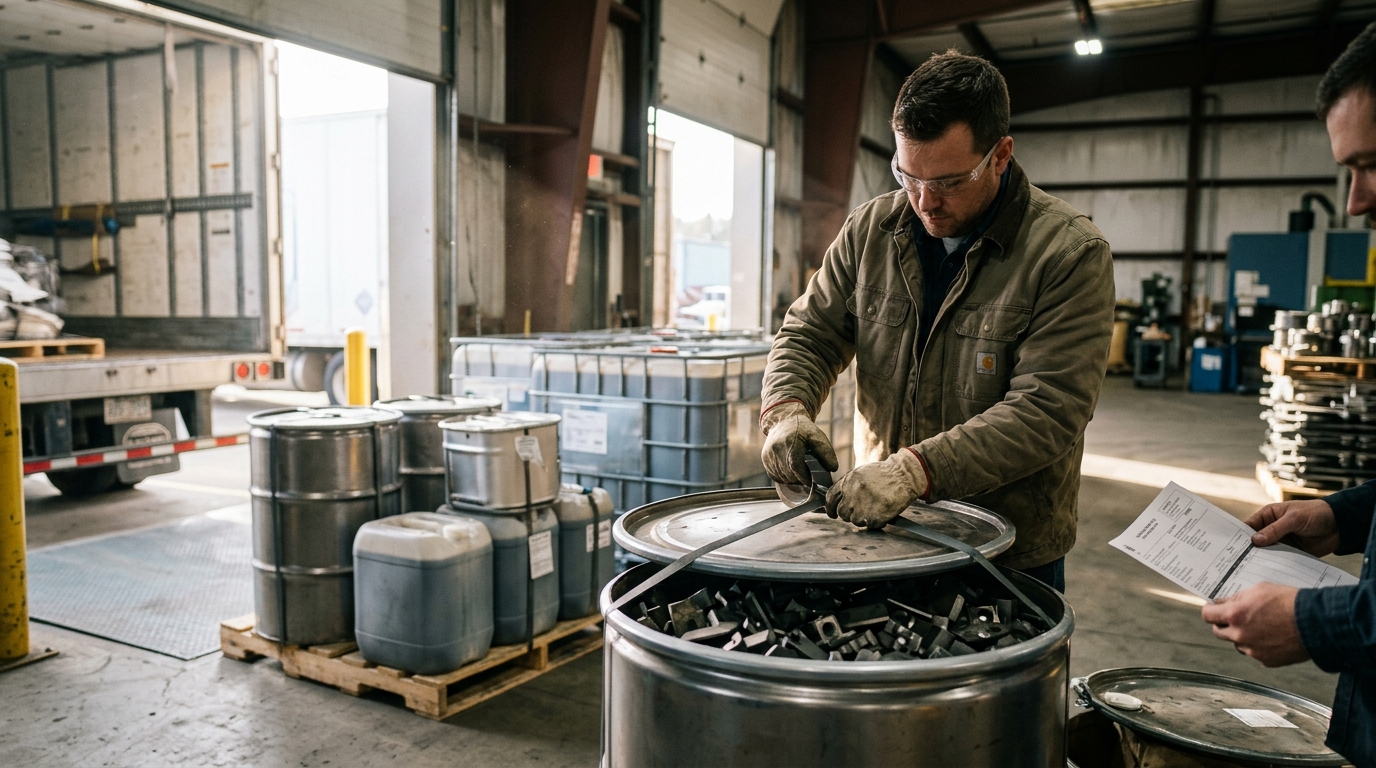
Tungsten carbide recycling represents a critical segment of modern industrial supply chains. According to recent industry reports, global tungsten consumption exceeded 28,000 metric tons in 2024, with scrap recovery accounting for nearly 35 percent of total supply. Proper shipping protocols directly impact material valuation and regulatory compliance. Facilities that standardize their logistics processes consistently achieve higher payout ratios and faster payment cycles. This guide outlines the exact procedures required to transport your scrap materials safely and efficiently. (About us Tungsten Buyers)
Material Preparation and Sorting
Tungsten carbide is a composite material composed of tungsten and carbon atoms bonded together to create an extremely hard industrial substance. Before initiating any transport process, you must separate your scrap into distinct categories. Mixing high-grade inserts with low-grade drill bits drastically reduces your final payout. Buyers evaluate material purity based on cobalt content and physical density. You should remove all organic contaminants, including cutting fluids, wood shavings, and plastic packaging. Contaminated loads frequently trigger additional handling fees or complete rejection at the receiving facility. Establish a dedicated staging area that remains dry and free from cross-contamination. Label each container with its specific source application to streamline the weighing process. This systematic approach ensures maximum recovery value during the initial assessment phase. (Carbide Kings Top Tungsten)
Sorting by Grade and Application
Separate your inventory into three primary categories. High-grade inserts contain the highest cobalt concentration and command premium pricing. Medium-grade drills require standard processing protocols. Low-grade bits often contain higher impurity levels that reduce final yield. Maintaining strict separation prevents buyers from downgrading your entire shipment to the lowest tier. You can review our detailed carbidescrapprogram to understand how each category is evaluated during intake.
Industrial Packaging Standards
Scrap recycling is the systematic process of collecting, sorting, and refining discarded industrial materials to recover valuable base metals. Proper packaging prevents material loss during transit and protects your inventory from environmental exposure. You must use heavy-duty steel drums or reinforced cardboard containers rated for industrial freight. Loose materials scattered across pallets frequently fall during loading operations and create significant safety hazards. Seal all containers with industrial-grade strapping tape and apply clear hazard labels. Moisture exposure causes cobalt binders to oxidize, which directly reduces your final payout percentage. Store your packaged materials under covered conditions until the freight carrier arrives for pickup. This protective measure preserves material integrity and prevents costly weight discrepancies.
Weight Verification and Documentation
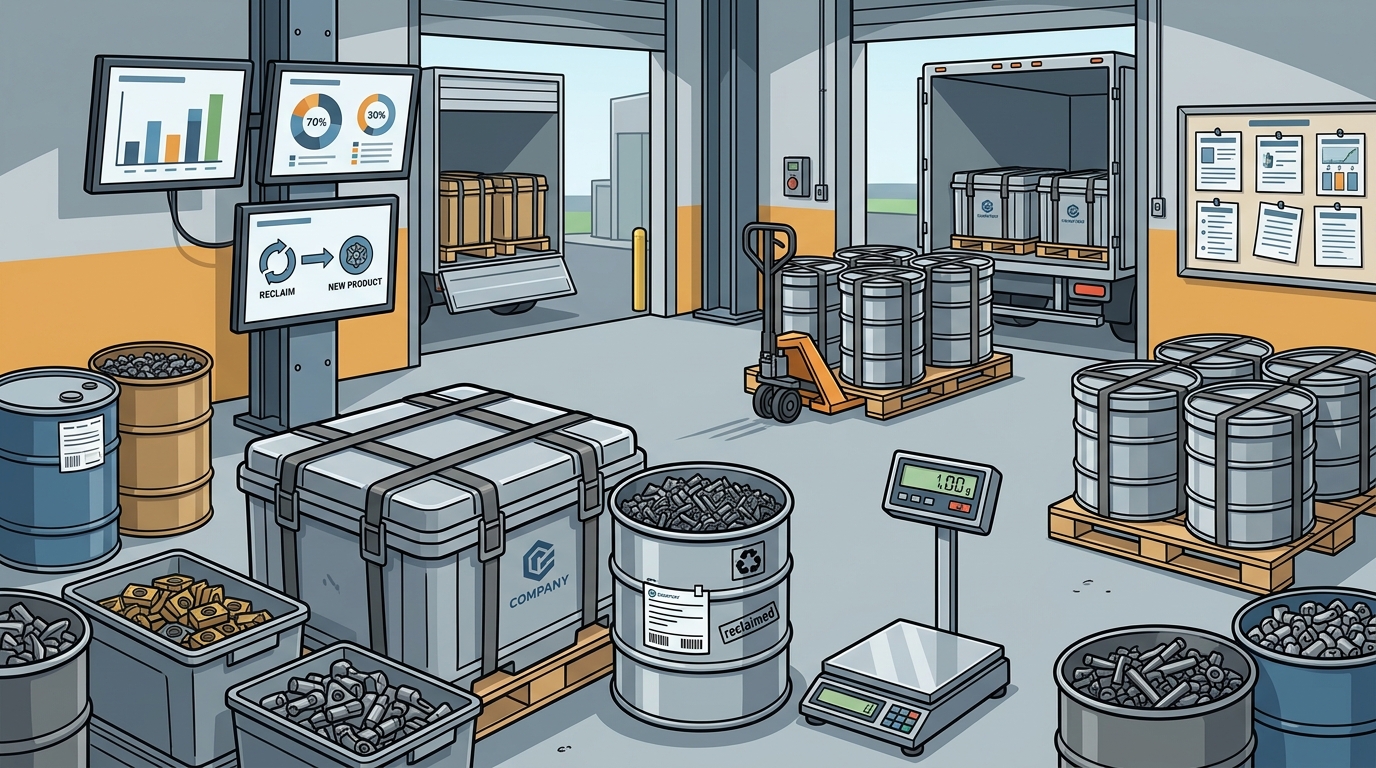
Record the exact weight of each container before sealing. Use calibrated industrial scales to verify your internal measurements match the facility intake weights. Discrepancies exceeding two percent typically trigger manual reweighing procedures that delay your payment cycle. Keep digital copies of all scale tickets and inventory manifests. This documentation protects your financial interests during the reconciliation phase.
Regulatory Documentation Requirements
Hazardous waste classification is a regulatory framework that dictates how specific industrial byproducts must be handled, stored, and transported. Even though tungsten carbide scrap rarely meets strict hazardous thresholds, you must still comply with Department of Transportation guidelines. Prepare a comprehensive bill of lading that accurately describes the contents, weight, and destination. Include your company contact information and preferred payment method on every document. Some carriers require a material safety data sheet to verify that your inventory contains no reactive chemicals. Missing paperwork frequently results in freight holds that delay your payout by several business days. Ensure your administrative team reviews all shipping manifests before handing over the cargo. This administrative diligence prevents costly logistical bottlenecks and accelerates your payment timeline.
Compliance Verification and Audits
Industry data shows that 42 percent of delayed shipments stem from incomplete or inaccurate documentation. You should verify that your shipping labels match your bill of lading exactly. Any mismatch between declared weight and actual weight triggers manual inspections. Maintaining accurate records protects your operational efficiency and preserves your relationship with freight partners.
Carrier Selection and Freight Logistics
Selecting the right freight partner directly impacts your total shipping costs and delivery speed. You should compare regional carriers against national logistics providers to find the optimal balance. Regional carriers often offer faster pickup windows and lower minimum weight requirements. National providers typically provide better tracking infrastructure and insurance coverage for high-value loads. Request written quotes from at least three different providers before committing to a contract. Compare their transit times, liability limits, and customer support responsiveness. You can explore our howtosellcarbidescrap guidelines to understand how carrier selection affects your overall payout structure.
Insurance and Liability Coverage
Verify that your chosen carrier provides adequate cargo insurance for your specific shipment value. Standard freight policies often cap liability at a fixed dollar amount per pound. High-value tungsten carbide loads frequently exceed these baseline limits. Purchase supplemental cargo insurance to protect your financial interests during transit. This precaution ensures you receive full compensation if your shipment experiences unexpected damage or loss.
Shipment Tracking and Verification
Modern logistics platforms provide real-time tracking capabilities that eliminate guesswork during transit. You should activate automated email notifications for every major milestone. These alerts include pickup confirmation, transit updates, and delivery verification. Maintaining active communication with your freight coordinator prevents unexpected delays. You can also monitor your shipment status through our aboutustungstenbuyers portal to verify delivery timelines and coordinate your facility operations.
Delivery Coordination and Inspection
Coordinate your facility schedule to ensure qualified personnel are available during the delivery window. Unattended deliveries frequently result in delayed unloading and extended carrier detention fees. Provide clear loading dock instructions and designate a single point of contact for the receiving team. This coordination minimizes downtime and ensures a smooth handoff process.
Handling Regulatory Exceptions
Occasional shipments encounter unexpected regulatory hurdles that require immediate intervention. International freight routes frequently trigger additional customs documentation and export control verification. You should consult your logistics provider before initiating cross-border transactions. Domestic shipments occasionally face temporary carrier capacity shortages during peak manufacturing seasons. Maintaining a diversified carrier network prevents operational bottlenecks during high-demand periods. You can access our comprehensive carbidetungstenbuyers resources to learn how to navigate these exceptions without sacrificing your payout timeline.
Exception Management Protocols
Establish a clear escalation pathway for handling unexpected regulatory holds. Your logistics team should maintain direct contact with your receiving facility to expedite resolution. Document every exception and implement corrective measures to prevent recurrence. This proactive approach strengthens your operational resilience and protects your financial margins.
Shipping Method Comparison
| Shipping Method | Cost Efficiency | Transit Time | Best Use Case |
|---|---|---|---|
| Regional Freight | High | 1 to 3 Days | Small to medium loads under 5,000 pounds |
| National LTL | Medium | 3 to 5 Days | Standard industrial shipments across state lines |
| Full Truckload | Low | 2 to 4 Days | Large volume transactions exceeding 10,000 pounds |
| Express Courier | Very Low | Same Day | High-value samples and urgent documentation |
Key Takeaways
- Tungsten scrap recovery accounts for approximately 35 percent of global supply according to 2024 industry data.
- Strict material separation prevents buyers from downgrading your entire shipment to the lowest pricing tier.
- Moisture exposure causes cobalt binders to oxidize, which directly reduces your final payout percentage.
- 42 percent of delayed shipments stem from incomplete or inaccurate documentation during transit.
- Regional freight carriers typically offer faster pickup windows and lower minimum weight requirements.
- Supplemental cargo insurance protects your financial interests when standard freight policies cap liability.
- Maintaining accurate scale tickets and manifests prevents costly logistical bottlenecks and accelerates payment cycles.
Frequently Asked Questions
How do I prepare my tungsten carbide scrap for shipping?
You must separate your inventory into high-grade inserts, medium-grade drills, and low-grade bits. Remove all cutting fluids, wood shavings, and plastic packaging before packaging. Store your materials in heavy-duty steel drums or reinforced containers under dry conditions.
What documentation do I need to provide to the recycling center?
You must prepare a comprehensive bill of lading that accurately describes the contents, weight, and destination. Include your company contact information and preferred payment method on every document. Keep digital copies of all scale tickets and inventory manifests for your records.
How does packaging affect my final payout?
Proper packaging prevents material loss during transit and protects your inventory from environmental exposure. Moisture exposure causes cobalt binders to oxidize, which directly reduces your final payout percentage. Sealed containers also prevent contamination that triggers additional handling fees.
What happens if my shipment arrives damaged or contaminated?
Facilities will deduct processing costs from your final payout or reject the entire load. You should purchase supplemental cargo insurance to protect your financial interests during transit. Maintaining accurate records and proper sealing prevents costly logistical bottlenecks.
Can I ship small quantities of tungsten carbide scrap?
Yes, most recycling centers accept loads starting at 50 pounds. You should compare regional carriers against national logistics providers to find the optimal balance. Smaller shipments often qualify for expedited pickup windows and lower minimum weight requirements.
How long does the payment cycle typically take after delivery?
Standard payment cycles range from 24 to 72 hours after successful intake verification. Facilities that standardize their logistics processes consistently achieve higher payout ratios. You can contact our team directly to discuss your preferred payment schedule and processing timeline.
Ready to Maximize Your Scrap Value?
Shipping your tungsten carbide scrap to a certified recycling center requires careful preparation, accurate documentation, and strategic carrier selection. Following these established protocols ensures you receive maximum payout while maintaining full regulatory compliance. Our Charlotte facility processes thousands of pounds of industrial scrap daily, delivering fast payments and secure logistics to partners nationwide. Contact us today to schedule your next pickup and discover exactly what your carbide scrap is worth. Visit our main page to access our complete scrap program details and request your free quote.