

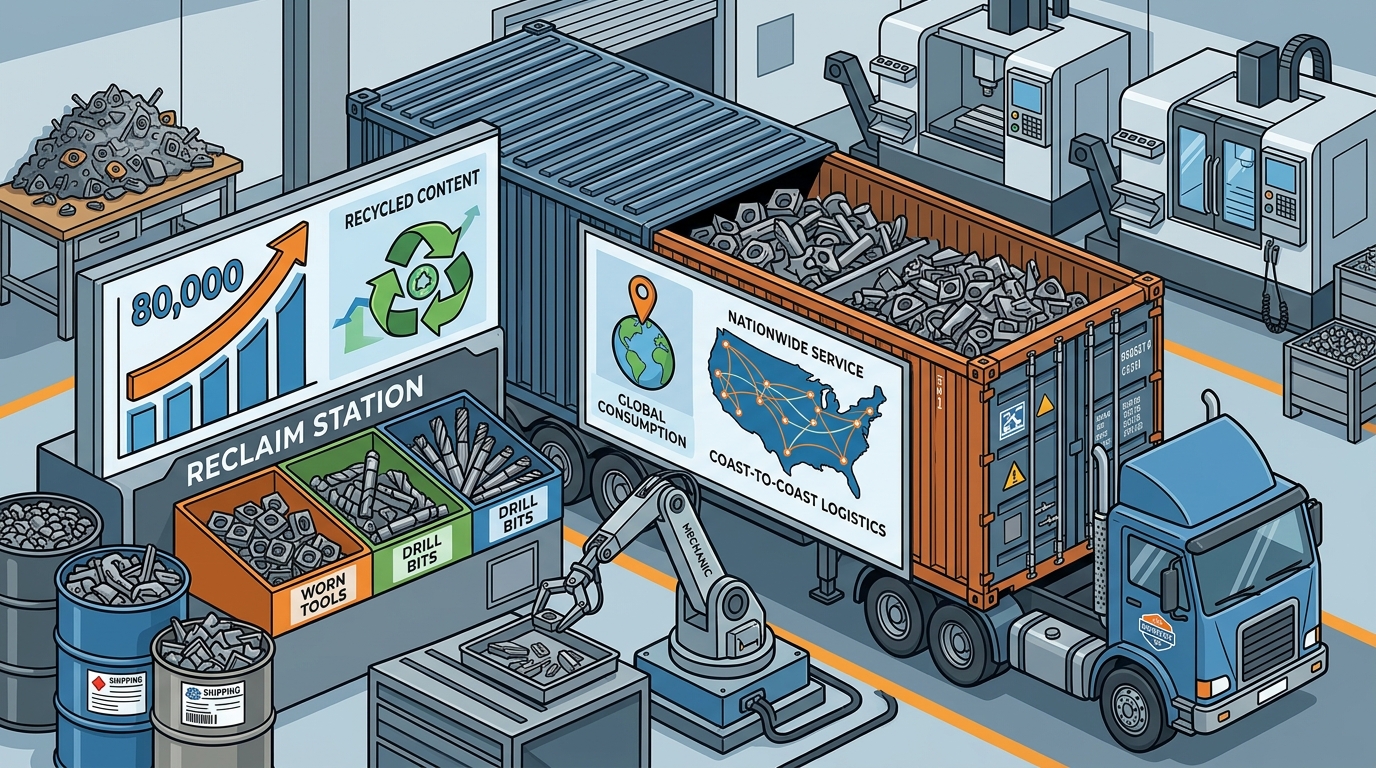
Industrial operations generate substantial volumes of worn cutting tools and drilling equipment every year. Industry data shows that global tungsten consumption exceeds 80,000 metric tons annually, creating a robust secondary market for industrial scrap. Small machine shops and independent contractors often accumulate these materials without realizing their substantial resale value. Many regional purchasing networks now operate nationwide to streamline the collection process. Understanding which organizations actively purchase these materials allows operators to maximize their operational margins. This guide outlines the primary purchasing channels available to independent sellers.
Identifying Active Purchasers
Tungsten carbide is a composite material composed of tungsten and carbon atoms bonded together to create an extremely hard alloy. Independent fabricators frequently discard worn inserts, broken drills, and chipped milling tools without recognizing their intrinsic worth. Several specialized purchasing networks actively acquire these materials to feed domestic manufacturing pipelines. These organizations maintain strict quality control protocols to ensure only viable scrap enters their processing facilities. Operators who partner with established buyers secure consistent revenue streams while reducing warehouse storage costs.
Many purchasing networks operate through dedicated procurement portals that accept applications from independent sellers. These platforms verify material composition through spectrographic analysis before issuing purchase orders. Sellers benefit from transparent grading systems that align with current market valuations. Establishing a direct relationship with a verified buyer eliminates middleman markups and accelerates transaction cycles.
Evaluating Regional Recycling Centers
Scrap recycling is the systematic process of collecting, processing, and refining used industrial materials for reuse. Regional facilities often maintain closer proximity to manufacturing hubs, which reduces transportation expenses for both parties. These centers typically prioritize local transactions to minimize carbon footprints and comply with state environmental mandates. Sellers can often deliver materials in person or schedule local pickup services to streamline the handoff process.
Regional operators frequently specialize in specific material grades, such as high-grade milling inserts or heavy-duty drilling shanks. They maintain dedicated storage bays to prevent cross-contamination between ferrous and non-ferrous streams. Non-ferrous metals are metallic materials that contain negligible amounts of iron, making them highly resistant to corrosion. This specialization allows regional centers to offer competitive pricing structures tailored to specific alloy compositions. Sellers should verify regional facility certifications before committing to long-term supply agreements.
Assessing National Scrap Dealers
National dealers operate extensive logistics networks that enable them to aggregate materials from multiple geographic regions. These organizations maintain large-scale processing facilities capable of handling high-volume transactions without compromising quality standards. Sellers benefit from standardized grading rubrics that apply uniformly across all regional pickup locations. National operators often provide dedicated account managers to streamline communication and expedite payment processing.
Large-scale purchasing networks frequently participate in industry trade shows to showcase their procurement capabilities. These events provide independent sellers with direct access to decision-makers who evaluate material specifications. Sellers can submit sample kits for preliminary grading before committing to full-scale shipments. National dealers also maintain digital tracking systems that monitor material movement from pickup to final refining. This transparency ensures sellers receive accurate documentation for tax and compliance purposes.
Understanding Certification Requirements
Regulatory compliance remains a critical factor when selecting a purchasing partner. Many organizations require sellers to provide material origin documentation to verify that scrap originates from legitimate industrial sources. Buyers must adhere to federal environmental guidelines to prevent hazardous waste contamination. Sellers should maintain detailed inventory logs that track material acquisition dates and original usage applications.
Several purchasing networks maintain ISO-certified quality management systems to ensure consistent processing standards. These certifications demonstrate a commitment to environmental stewardship and operational transparency. Sellers benefit from partnering with certified organizations because it reduces liability exposure during transportation. Certified buyers also maintain rigorous chain-of-custody protocols that protect both parties from regulatory audits. Sellers should verify certification status before initiating any commercial transactions.
Comparing Payment Structures
Financial terms vary significantly across different purchasing networks. Some organizations offer immediate wire transfers upon material verification, while others utilize net-thirty accounting cycles. Sellers should evaluate payment flexibility to ensure it aligns with their cash flow requirements. Transparent pricing models eliminate hidden fees and prevent unexpected deductions during settlement.
Many purchasing networks adjust their pricing schedules based on current commodity market fluctuations. These adjustments reflect real-time supply chain dynamics and global manufacturing demand. Sellers benefit from organizations that publish daily pricing updates to maintain market transparency. Competitive payment structures encourage long-term partnerships and reduce administrative overhead. Sellers should request detailed payment schedules before committing to exclusive supply agreements.
Navigating Logistics and Shipping
Transportation logistics play a crucial role in maximizing scrap value. Many purchasing networks provide prepaid shipping labels to simplify the handoff process. Sellers can package materials in secure containers to prevent damage during transit. Proper packaging ensures materials arrive in optimal condition for grading and processing.
Several organizations maintain dedicated freight partnerships to offer discounted shipping rates. These partnerships enable sellers to transport large volumes without incurring prohibitive transportation costs. Sellers should verify insurance coverage before initiating any cross-country shipments. Comprehensive tracking systems provide real-time updates on material movement and delivery status. Reliable logistics networks reduce administrative burdens and accelerate payment processing timelines.
| Purchaser Type | Service Area | Payment Terms | Specialization |
|---|---|---|---|
| Regional Recycling Centers | Statewide | Same-day wire | High-grade inserts |
| National Scrap Dealers | Nationwide | Net-thirty | Bulk drilling shanks |
| Specialized Brokers | Multi-state | Custom contracts | Custom alloy blends |
| Direct Industrial Buyers | Regional hubs | Immediate settlement | Manufacturing offcuts |
Key Takeaways
- Tungsten carbide scrap commands premium pricing when sorted by alloy grade and contamination level.
- Regional recycling centers often provide faster payment cycles for smaller volume transactions.
- National dealers maintain standardized grading rubrics that apply uniformly across all pickup locations.
- Certified purchasing networks reduce liability exposure through rigorous chain-of-custody protocols.
- Transparent pricing models eliminate hidden fees and prevent unexpected deductions during settlement.
- Proper packaging ensures materials arrive in optimal condition for grading and processing.
- Direct industrial buyers frequently offer immediate settlement for high-volume manufacturing offcuts.
Frequently Asked Questions
What types of tungsten carbide materials do buyers accept?
Purchasing networks accept worn milling inserts, broken drilling shanks, chipped end mills, and manufacturing offcuts. Buyers typically reject materials contaminated with oil, coolant, or foreign debris.
How is scrap material graded before purchase?
Materials undergo spectrographic analysis to verify tungsten content and alloy composition. Grading rubrics assign numerical values based on purity, physical condition, and contamination levels.
Do buyers require minimum shipment volumes?
Most purchasing networks accept transactions starting at fifty pounds. National dealers may offer tiered pricing structures for shipments exceeding one thousand pounds.
What documentation is required to complete a sale?
Sellers must provide material origin documentation, inventory logs, and safety data sheets. Buyers use these records to verify compliance with federal environmental guidelines.
How long does the payment process typically take?
Regional centers often process same-day wire transfers upon material verification. National dealers typically utilize net-thirty accounting cycles to accommodate large-scale transactions.
Can sellers return materials if pricing drops after pickup?
Purchasing agreements typically bind sellers to finalized pricing upon material verification. Sellers should review contract terms before initiating any cross-country shipments.
What packaging standards do buyers enforce?
Materials must be sealed in moisture-resistant containers to prevent oxidation during transit. Buyers reject shipments that show signs of cross-contamination or improper labeling.
Ready to Sell Your Scrap?
Transform your accumulated industrial waste into immediate operational capital. Contact our procurement team today to schedule a free material evaluation and receive a competitive purchase quote. Visit our primary portal to explore our comprehensive scrap acceptance guidelines and initiate your first transaction. Start selling your tungsten carbide scrap today.