

Tungsten carbide is one of the most valuable non-ferrous materials in the industrial recycling market, but its high density and potential hazards require careful handling during transit. According to industry data from the U.S. Geological Survey, tungsten is a critical mineral with significant industrial demand, making its recovery through proper recycling channels essential for both economic and environmental reasons. When you prepare to ship your scrap to a recycling center, understanding the logistics is just as important as knowing the material value. Improper packaging can lead to rejected shipments, damaged goods, or safety violations that delay your payment. This guide outlines the critical steps to ensure your tungsten carbide scrap arrives safely and is processed efficiently.
Understanding Tungsten Carbide Material Properties
Before you pack a single piece of scrap, you must understand what you are shipping. Tungsten carbide is a composite material made of tungsten and carbon atoms. It is known for its extreme hardness and durability. Tungsten carbide is a hard metal alloy used in cutting tools, mining equipment, and industrial machinery. Because it is non-ferrous, it does not contain iron, which distinguishes it from standard steel scrap. This distinction is vital for accurate pricing and recycling processes.
The density of tungsten carbide is significantly higher than steel. This means that even small volumes of scrap can weigh a substantial amount. When shipping, you must account for this weight to avoid unexpected freight charges or carrier restrictions. Furthermore, because it is a hard metal, loose pieces can cause damage to packaging materials or injure handlers if not secured properly. Recognizing these physical characteristics helps you choose the right shipping method and packaging strength.
Preparation and Cleaning Steps
Proper preparation of your scrap is the first line of defense against contamination and rejection. Recycling centers like Carbide Kings Recycling Center prioritize purity to ensure accurate valuation. Contaminants such as oil, grease, or other metals can lower the grade of your scrap and reduce the final payout.
Removing Contaminants
Start by removing any visible contaminants from your tungsten carbide pieces. If the scrap has been used in machining operations, it may be coated with cutting fluids or coolants. These substances can leak during transit and create hazardous waste issues. Wipe down the pieces with a clean rag or use a degreaser to remove surface oils. Ensure that the material is dry before packaging to prevent rust or corrosion on any attached steel components.
Segregating Materials
Never mix tungsten carbide with other types of scrap metal. Mixing ferrous metals like steel or iron with non-ferrous tungsten carbide can lead to significant pricing discrepancies. Segregating your scrap ensures you receive the highest market price for your materials. Keep your tungsten carbide inserts, drills, and bits separate from general metal scrap. If you have mixed loads, clearly label them and contact the buyer for specific instructions on how to separate the materials before shipping.
Packaging Protocols for Heavy Scrap
Packaging is the most critical step in the shipping process. Tungsten carbide is heavy and dense, so standard cardboard boxes are rarely sufficient. You need robust packaging that can withstand the weight and potential impact during transit.
Using Heavy-Duty Containers
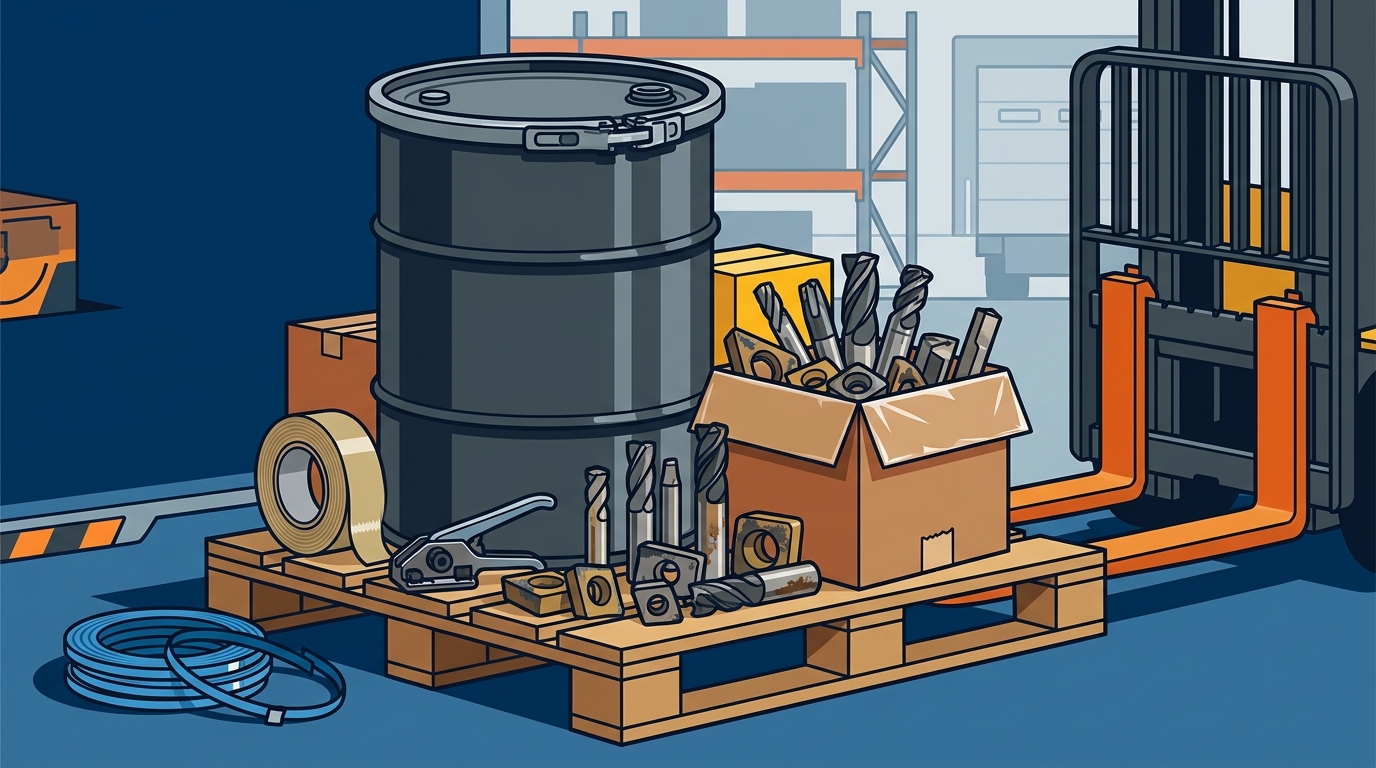
For small quantities of scrap, heavy-duty plastic buckets with secure lids are often sufficient. These containers prevent the pieces from shifting and protect them from moisture. For larger volumes, steel drums or wooden crates are the industry standard. Carbide Kings Scrap Program guidelines suggest using containers that are in good condition without holes or weak seams. If you use wooden crates, ensure they are nailed securely and can support the weight without collapsing.
Securing the Load
Loose pieces of tungsten carbide can become projectiles if the container is dropped or jostled during transport. Fill any empty space in the container with packing peanuts, bubble wrap, or crumpled paper to prevent movement. If you are shipping loose pieces in a drum, ensure the lid is tightly sealed and strapped down. For palletized shipments, use stretch wrap to secure the load to the pallet and prevent shifting. This not only protects your material but also ensures the safety of the shipping personnel.
Shipping Logistics and Carrier Selection
Choosing the right carrier and shipping method depends on the volume and weight of your scrap. Tungsten carbide is dense, so even a small box can be heavy. Always check the weight limits of your chosen carrier to avoid surcharges or rejected shipments.
Freight vs. Parcel Shipping
For shipments under 150 pounds, parcel carriers like UPS or FedEx may be viable options. However, for heavier loads, you will likely need freight services. How to Sell Carbide Scrap guides often recommend using freight carriers for loads over 150 pounds to save on costs and ensure proper handling. Freight carriers are equipped to handle heavy, bulky items and can provide lift-gate service if you do not have a loading dock.
Insurance and Tracking
Always insure your shipment, especially for high-value tungsten carbide scrap. The value per pound of tungsten carbide can be significantly higher than other scrap metals, making it a target for theft or loss. Use a carrier that offers real-time tracking and requires a signature upon delivery. This provides a chain of custody and ensures that your scrap reaches the recycling center safely. Contact Carbide Buyers Near Me resources for recommended carrier partners if you are unsure which service to use.
Documentation and Compliance
Proper documentation is essential for a smooth transaction. Recycling centers need to know exactly what they are receiving to process it correctly and issue payment. Incomplete or inaccurate documentation can delay your payment by days or weeks.
Packing Lists and Invoices
Include a detailed packing list with your shipment. List the types of tungsten carbide materials, their estimated weights, and any other relevant details. This helps the recycling center verify the contents upon arrival. If you are shipping to Carbide Kings, ensure you reference your account number on all documentation to speed up the processing time.
Regulatory Compliance
While tungsten carbide is not typically classified as hazardous waste, it is important to comply with all local and federal regulations regarding the transport of industrial materials. Ensure that your packaging meets Department of Transportation (DOT) standards. If you are shipping internationally, be aware of export controls and customs requirements for tungsten materials. Frequently Asked Questions sections on recycling websites often provide specific regulatory guidance for different regions.
Frequently Asked Questions
How do I know if my scrap is tungsten carbide?
Tungsten carbide is extremely hard and heavy. It is often used in cutting tools, drills, and inserts. If you are unsure, contact a recycling center for a free assessment. Carbide Kings offers expert identification services to help you verify your materials.
Can I ship tungsten carbide scrap internationally?
International shipping of tungsten materials may be subject to export controls and customs regulations. It is best to consult with a logistics expert or the recycling center before attempting international shipments. Carbide Recycling Company guidelines may vary by region.
What is the minimum weight requirement for shipping?
Most recycling centers have a minimum weight requirement to make shipping cost-effective. Carbide Buyers Near Me resources often list specific minimums, which can range from 50 pounds to several hundred pounds depending on the carrier and location.
How is tungsten carbide priced?
Pricing is based on the current market value of tungsten and the purity of your scrap. Sell Carbide Pricing fluctuates daily based on global demand. Contact a buyer for a real-time quote.
Do I need to clean my scrap before shipping?
Yes, cleaning your scrap removes contaminants that can lower its value. How to Sell Carbide Scrap guides emphasize the importance of removing oil, grease, and other metals.
What happens if my shipment is damaged?
If your shipment is damaged, contact the carrier immediately and notify the recycling center. Insurance coverage should protect you from financial loss. Frequently Asked Questions often detail the claims process.
How long does payment take after shipping?
Payment timelines vary by recycling center. Carbide Kings typically processes payments quickly after the scrap is received and weighed. Fast payments are a key benefit of working with trusted buyers.
Ready to Maximize Your Scrap Value?
Shipping tungsten carbide scrap safely is essential for protecting your investment and ensuring a smooth transaction. By following these best practices, you can avoid delays, reduce costs, and receive the highest possible price for your materials. Contact Carbide Kings today to schedule a pickup or get a free quote. We are America's top tungsten carbide buyer, committed to providing fast, reliable service and competitive pricing for your scrap metal needs.
Key Takeaways
- Material Density: Tungsten carbide is significantly heavier than steel, requiring robust packaging and careful weight calculation for shipping.
- Purity Matters: Contaminants like oil and other metals can lower the value of your scrap, so thorough cleaning and segregation are critical.
- Robust Packaging: Use heavy-duty containers like steel drums or wooden crates to prevent damage and ensure safety during transit.
- Carrier Selection: Choose the right carrier based on weight; use freight services for heavy loads and parcel carriers for smaller quantities.
- Documentation: Always include detailed packing lists and reference your account number to speed up processing and payment.
- Insurance: Insure high-value shipments to protect against loss or theft during transit.
- Expert Guidance: Work with trusted buyers like Carbide Kings for accurate identification and competitive pricing.