Tungsten carbide is not just another metal; it is a high-performance composite material that retains significant intrinsic value even after it has been worn down or discarded. According to recent industry data, the global tungsten market continues to show robust demand for recycled materials, with scrap prices fluctuating based on purity and volume. Understanding the nuances of this market is critical for industrial partners and individual sellers who want to ensure they are not leaving money on the table. This guide details the precise steps to evaluate, prepare, and sell your scrap for the highest possible return.
Understanding What Drives Scrap Value
Before you contact a buyer, you must understand the mechanics of pricing. Tungsten carbide scrap is valued primarily by its tungsten content, which is typically measured in percentage points. The binder material, usually cobalt, also plays a role in the final calculation. Purity is the single most important factor in determining your final payout. Buyers look for scrap that is free from contaminants such as steel, wood, or other non-ferrous metals.
Market volatility also impacts your bottom line. The price of tungsten is tied to global supply chains and industrial demand. When industrial production ramps up, so do scrap prices. Conversely, during economic downturns, prices may soften. To stay ahead, you need a buyer who monitors these trends daily and offers competitive, transparent pricing. Carbide Kings operates as one of the largest carbide buyers in the United States, ensuring that sellers receive rates aligned with the current market reality. You can learn more about our buying process and company history to understand our commitment to fair trade.
Preparation: Cleaning and Sorting for Premium Pricing
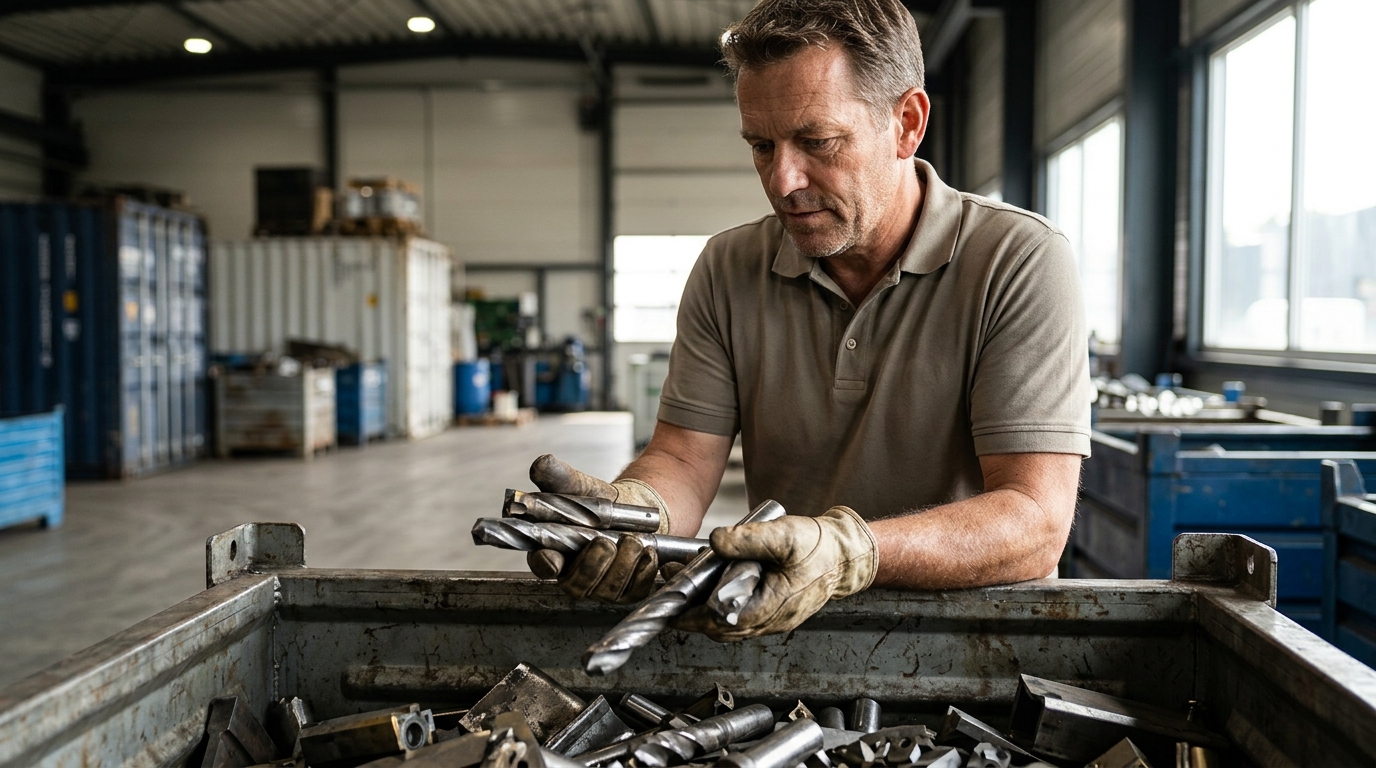
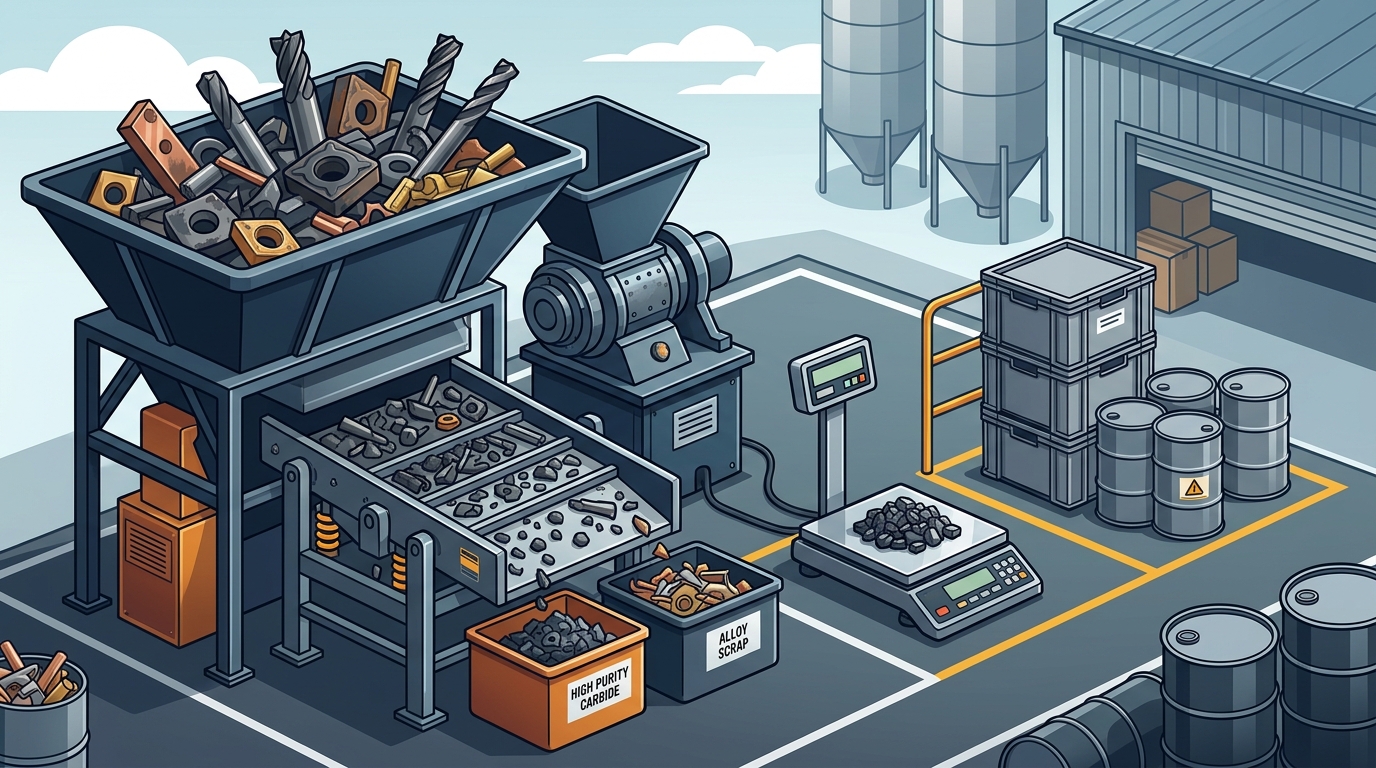
Many sellers make the mistake of sending in dirty or mixed loads. Proper preparation can significantly increase the value of your scrap. The first step is sorting. You must separate tungsten carbide from other metals. Steel, aluminum, and brass have different recycling values and can contaminate the carbide batch, leading to a lower grade classification.
Cleaning Your Scrap
Remove all visible debris. This includes wood chips, plastic, and heavy grease. While some oil is acceptable, excessive contamination can lead to deductions. If you have large chunks of carbide, such as old drill bits or milling cutters, keep them intact. Broken or powdered carbide may be graded differently depending on the buyer's processing capabilities.
Volume Matters
While we purchase small quantities, larger volumes often command better logistical terms. If you have accumulated a significant amount of scrap, consider consolidating your sales. This reduces shipping costs per pound and simplifies the transaction. For those looking for local options, we also serve as a reliable carbide buyer near me for clients in the Charlotte, NC area and beyond.
Types of Carbide and Their Market Worth
Not all tungsten carbide is created equal. The grade of the carbide, determined by the ratio of tungsten to cobalt and the manufacturing process, affects its scrap value. Common types include:
- Carbide Inserts: These are the most common form of scrap from machining operations. They are highly valued due to their consistent composition.
- Drill Bits and End Mills: Solid carbide tools are dense and rich in tungsten. They are often sold by weight after being broken down or whole.
- Wire Drawing Dies: These are extremely hard and contain high percentages of tungsten. They are a premium scrap item.
- Industrial Wear Parts: Components used in mining or construction that have worn out but still retain their structural integrity.
Understanding the specific type of your scrap helps you communicate effectively with buyers. It allows you to verify that the buyer you choose is equipped to handle your specific material. Our materials we purchase page provides a detailed list of the items we accept and how they are categorized.
The Selling Process: From Quote to Payment
Selling your scrap should be a seamless experience. The process typically begins with a request for a quote. Provide accurate details about the type, weight, and condition of your scrap. A reputable buyer will offer a transparent price based on current market rates.
Shipping and Logistics
Once you accept the quote, you will receive shipping instructions. Ensure that your packaging is secure to prevent loss or damage during transit. We offer nationwide service, making it easy to sell from anywhere in the country. For detailed instructions on packaging and shipping, visit our how to sell carbide scrap guide.
Payment and Transparency
Upon receipt of your scrap, we weigh it and verify the grade. The final price is calculated based on the verified weight and the agreed-upon rate. Fast payment is a cornerstone of our service. We understand that cash flow is vital for your business, which is why we prioritize quick turnaround times. You can read more about our carbide scrap program to see how we support our partners.
Common Mistakes That Devalue Your Scrap
Avoiding common pitfalls ensures you get the best deal. One major mistake is selling to multiple buyers without comparing quotes. Prices can vary significantly between dealers. Another error is failing to sort your scrap properly. Mixing carbide with steel can result in the entire load being downgraded to a lower price tier.
Additionally, some sellers do not realize that the shape of the scrap matters. Large, dense pieces are easier to process and may be valued higher than fine powders or small chips. Always ask your buyer about their grading criteria before shipping. If you are unsure about the value of your specific items, contact us for a free quote and expert advice.
Frequently Asked Questions
How is tungsten carbide scrap priced?
Scrap is priced based on the current market price of tungsten and cobalt, adjusted for the purity and grade of your specific material. Prices are typically quoted per pound.
Do you buy small quantities of carbide?
Yes, we purchase carbide scrap from both large industrial operations and individual sellers. There is no minimum weight requirement for most transactions.
How do I know if my scrap is valuable?
Tungsten carbide is very dense and heavy for its size. If it feels significantly heavier than steel of the same volume, it is likely valuable. You can also use a magnet; while the cobalt binder is magnetic, the tungsten carbide itself is not, but the overall behavior can help identify it.
What is the difference between ferrous and non-ferrous scrap?
Ferrous scrap contains iron and is magnetic, such as steel. Non-ferrous scrap, like tungsten carbide, does not contain iron and is not magnetic. Tungsten carbide is a non-ferrous material with high scrap value.
How long does payment take after shipping?
We aim for fast payments. Once your scrap is received, weighed, and graded, payment is processed quickly. The exact timeline depends on your preferred payment method.
Can I sell mixed metal scrap?
We specialize in tungsten carbide. While we may accept some non-ferrous materials, it is best to keep your carbide separate for the most accurate pricing. See our carbide recycling company page for more details.
Do you offer pickup services?
We primarily operate through a shipping model for nationwide coverage. However, for large volumes, we may offer pickup options. Contact us to discuss your specific needs.
Ready to Maximize Your Returns?
Do not let your valuable tungsten carbide sit idle. Turn your scrap into cash with a trusted partner who understands the market. Carbide Kings is dedicated to providing the best value for your materials through transparent pricing and efficient service. Contact us today to get a quote and start selling. Visit our homepage to begin the process.