

How Manufacturing Companies Maximize Revenue from Selling Tungsten Carbide Scrap
Tungsten carbide is an industrial powerhouse, but its end-of-life value is often misunderstood by manufacturing operations. According to recent market analyses, the global tungsten carbide scrap market is projected to grow at a significant compound annual growth rate through 2030, driven by increased demand for recycled raw materials in high-tech manufacturing. This growth creates a critical opportunity for industrial facilities to convert waste inventory into substantial revenue streams. However, realizing this potential requires more than just dumping scrap in a bin. It demands a strategic approach to material segregation, vendor selection, and timing. This guide details the precise mechanisms manufacturing companies use to extract maximum value from their tungsten carbide assets.
Understanding Tungsten Carbide Value Drivers
To maximize revenue, you must first understand what dictates the price of your scrap. Tungsten carbide is not a single commodity; it is a composite material. Tungsten carbide is a chemical compound consisting of tungsten and carbon atoms. The value of your scrap is primarily determined by the percentage of tungsten content within the material. Higher tungsten percentages command significantly higher prices per pound.
Manufacturing companies often overlook the nuance of binder materials. The cobalt or nickel binder used to hold the tungsten carbide grains together affects the processing cost for the recycler. Scrap with a higher tungsten-to-binder ratio is more valuable because it requires less refining to recover the precious metal. Understanding this ratio allows your procurement team to negotiate from a position of knowledge rather than desperation.
Furthermore, the physical form of the scrap matters. Solid carbide tools, such as end mills and drills, often retain more of their original structural integrity and tungsten content compared to fragmented or oxidized inserts. Proper storage and handling of these tools before sale can preserve their grade, ensuring you do not inadvertently downgrade your material. For a deeper look at the materials we accept, visit our Materials We Purchase page.
Critical Segregation Strategies
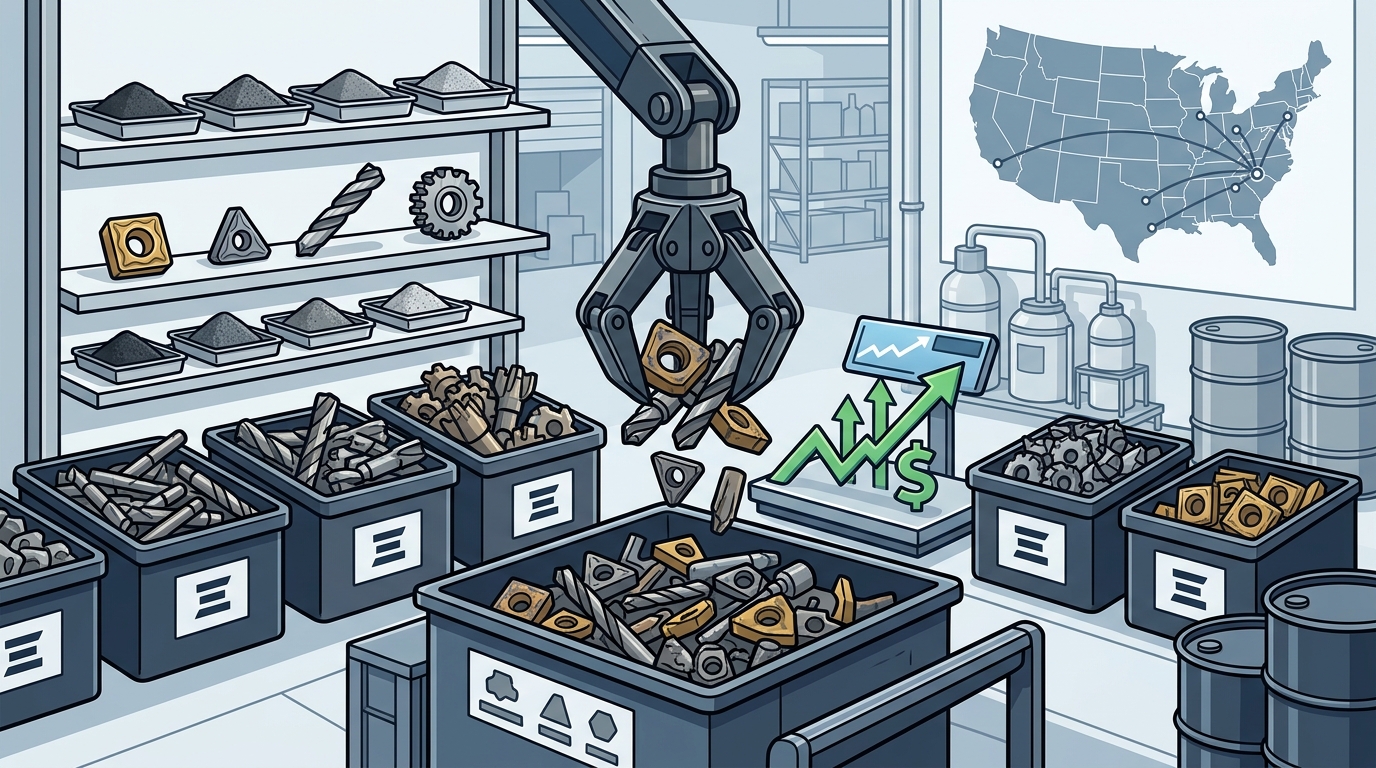
The single most effective way to increase your scrap revenue is rigorous segregation. Mixing high-grade solid carbide with low-grade carbide inserts or, worse, with other metals like steel or aluminum, will result in a blended price that averages out your high-value items. This practice, known as "downgrading," is the primary reason many manufacturers leave money on the table.
Separate by Grade and Type
Establish distinct collection points in your facility for different types of carbide. Keep solid tools separate from inserts. Keep high-tungsten grades separate from lower-tungsten grades if your volume justifies it. This level of detail allows buyers like Carbide Kings to offer you the most accurate and competitive quote possible. When you provide segregated material, you reduce the buyer's risk and testing costs, which they often pass back to you in the form of a better price.
Avoid Contamination
Contamination is a silent revenue killer. Oil, coolant, and other industrial fluids can affect the weight and processing of the scrap. While many buyers accept oiled material, clean scrap is always preferred. Additionally, ensure that no non-carbide metals are mixed in. Even small amounts of steel can drastically lower the overall tungsten percentage of a shipment, leading to a significant drop in the final offer.
Selecting the Right Tungsten Buyers
Not all scrap buyers are created equal. The market is filled with middlemen who buy low and sell high, taking a large cut of the margin. To maximize revenue, you need a direct partner who understands the nuances of tungsten carbide recycling. A specialized buyer will have the infrastructure to test your material accurately and pay based on the actual tungsten content, not a generic market average.
Look for a company that operates as a carbide recycling company with direct access to refining partners. This vertical integration ensures that the price you are quoted reflects the true market value of the tungsten. General scrap metal dealers may not have the expertise to distinguish between different grades of carbide, leading to flat-rate offers that ignore the specific value of your inventory.
Transparency is another key factor. A reputable buyer will explain how they arrived at their price. They should be willing to discuss the current market trends for tungsten and cobalt. If a buyer is vague about their pricing methodology, it is a red flag. Visit our How to Sell Carbide Scrap guide to understand the process better.
How Pricing Mechanics Work
Understanding the pricing model is essential for negotiation. Most specialized buyers use a base price per pound of tungsten content. For example, if the market price for tungsten is $X per pound, and your scrap is 25% tungsten, the base price is calculated accordingly. However, this base price is adjusted for various factors.
Market Volatility
Tungsten prices fluctuate based on global supply and demand, particularly from major producers in Asia. A savvy manufacturer tracks these trends. Selling during a period of high tungsten demand can yield a premium. Conversely, waiting for a market upswing might be beneficial if you have the storage capacity. However, do not wait too long, as storage costs and the risk of material degradation can offset potential gains.
Testing and Verification
Reputable buyers will test your material to verify the tungsten percentage. This testing is usually done using X-ray fluorescence (XRF) or other spectroscopic methods. The results of this test determine the final price. Ensure that your buyer uses certified testing equipment and provides you with the test results. This transparency builds trust and ensures you are paid fairly for the actual content of your scrap.
Logistics and Payment Structures
Efficient logistics can also impact your net revenue. Shipping costs can eat into your profits if not managed correctly. Many specialized buyers offer free shipping or prepaid shipping labels for large volumes. This service is particularly valuable for manufacturers with significant scrap inventory.
Payment speed is another critical factor. Some buyers take weeks to process payments, tying up your capital. Others offer immediate payment upon receipt and testing of the material. Fast payment improves your cash flow and allows you to reinvest in new tools or other operational needs. Carbide Kings is known for its Carbide Scrap Program which emphasizes fast, reliable service.
Comparison of Buyer Types
| Buyer Type | Pricing Model | Expertise Level | Typical Payment Speed |
|---|---|---|---|
| General Scrap Dealer | Flat rate per pound | Low | Variable |
| Specialized Carbide Buyer | Based on tungsten content | High | Fast (Days) |
| Direct Refiner | Market-linked spot price | Very High | Immediate |
Key Takeaways
- Segregation is Profit: Keeping high-grade solid carbide separate from inserts and other metals can increase your revenue by 20-30%.
- Know Your Content: Understanding the tungsten percentage of your scrap allows for better negotiation and realistic expectations.
- Choose Specialists: Working with a dedicated carbide tungsten buyer ensures you get the true market value, not a generic scrap rate.
- Monitor Market Trends: Tungsten prices fluctuate. Timing your sales with market peaks can maximize returns.
- Verify Testing: Always request test results to ensure the buyer is paying for the actual tungsten content in your material.
- Fast Payment Matters: Quick payment terms improve cash flow and reduce the administrative burden of chasing invoices.
- Free Shipping Options: Leverage buyers who offer prepaid shipping to reduce your net costs.
Frequently Asked Questions
How is the price of tungsten carbide scrap determined?
The price is primarily determined by the percentage of tungsten content in the material, multiplied by the current market price of tungsten. Additional factors include the type of binder (cobalt vs. nickel) and the physical form of the scrap.
Can I sell small amounts of tungsten carbide scrap?
Yes, many specialized buyers accept small quantities. However, larger volumes often qualify for better pricing tiers and free shipping options. Contact us to discuss your specific volume.
What is the difference between solid carbide and carbide inserts?
Solid carbide tools, like drills and end mills, are made entirely of tungsten carbide and typically have a higher tungsten content. Inserts are smaller pieces of carbide brazed or clamped onto steel bodies. They are often lower grade and should be segregated from solid carbide.
How long does it take to get paid?
Payment speed varies by buyer. Specialized buyers like Carbide Kings often offer fast payment within a few days of receiving and testing the material. General scrap dealers may take weeks.
Do you buy oxidized or damaged carbide?
Yes, we buy carbide scrap in various conditions, including oxidized or damaged material. However, the tungsten content will still be the primary driver of the price. Visit our FAQs for more details.
Is tungsten carbide recyclable?
Yes, tungsten carbide is highly recyclable. The tungsten can be recovered and reused in new tools and industrial applications, making it a sustainable choice for manufacturing.
How do I prepare my scrap for shipping?
Bag your scrap securely to prevent spillage. Label the bags with the type of material (e.g., solid carbide, inserts). Avoid mixing different grades. Our Carbide Buyers Near Me page provides more logistical details.
Ready to Maximize Your Scrap Revenue?
Stop leaving money on the table. Partner with America's top tungsten carbide buyers to get the best price for your scrap. Carbide Kings offers competitive pricing, fast payments, and nationwide service. Contact us today for a free quote and discover the true value of your tungsten carbide inventory.
Visit Carbide Kings Home to get started.