

Tungsten carbide is not just a tool material; it is a high-value asset class that sits idle in many manufacturing facilities. According to recent industry data, the global tungsten market has seen significant volatility, with prices for high-grade carbide scrap fluctuating based on international supply chains and raw material demand. For industrial operators, ignoring the recovery value of worn inserts and drills represents a direct loss to the bottom line. This guide details the strategic steps to transform industrial waste into liquid capital.
Understanding the Value of Tungsten Carbide
Tungsten carbide is a composite material composed of tungsten carbide particles bound together with a binder, typically cobalt. This material is renowned for its extreme hardness and wear resistance, making it indispensable in machining, mining, and oil drilling applications. Tungsten carbide is a composite material composed of tungsten carbide particles bound together with a binder, typically cobalt.
Because tungsten is a strategic metal with limited global supply, its scrap value remains significantly higher than most other industrial metals. Manufacturers often accumulate thousands of pounds of worn tools in storage. These items are not merely waste; they are dormant revenue streams. The value is derived primarily from the tungsten content, which can range from 70% to over 90% depending on the specific grade of the tool.
Many companies fail to maximize revenue because they treat carbide scrap as generic metal waste. By separating it from steel, aluminum, or other non-ferrous materials, you ensure that the buyer is paying for the actual tungsten content rather than diluting the price with cheaper base metals. Understanding the composition of your scrap is the first step in valuation.
The Critical Separation Process
The single most effective way to increase your payout is rigorous segregation. Buyers like Carbide Kings specialize in purchasing pure tungsten carbide. If your scrap is contaminated with steel shavings, oil, or other metals, the refining process becomes more complex, and the offered price per pound drops accordingly.
Identifying Your Scrap Types
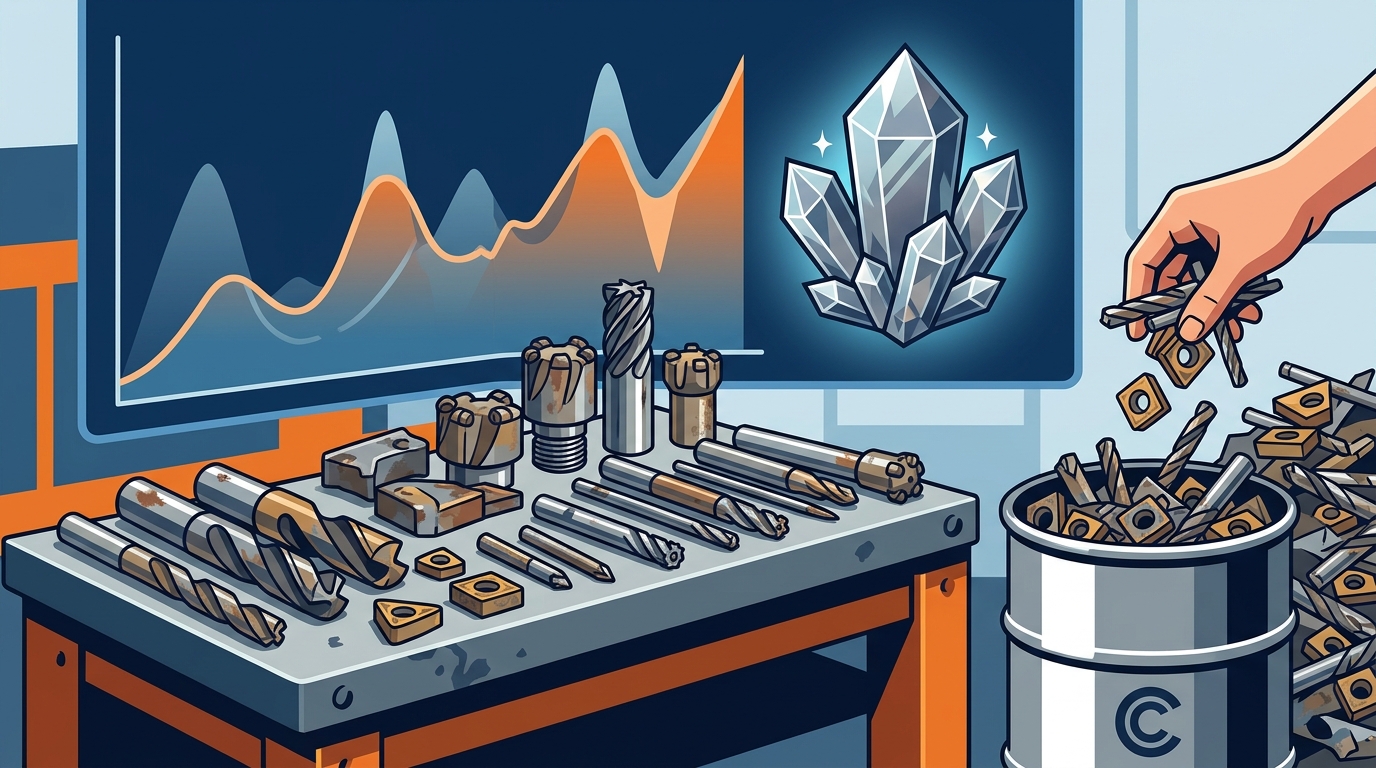
Not all carbide is created equal. You must distinguish between different forms of scrap to get the best deal. Common categories include:
- Carbide Inserts: These are the most common form of scrap. They are small, geometric pieces used in turning and milling. They often have the highest purity and command premium prices.
- Drill Bits and End Mills: These tools are larger and may contain more binder material or coatings that affect the refining process.
- Raw Powder and Sludge: Some facilities generate waste during the manufacturing process. This requires specialized handling and often different pricing structures.
Cleaning and Preparation
Before selling, ensure your scrap is free of excessive oil and coolant. While some buyers accept oily scrap, it can lead to deductions in weight or price. A simple degreasing process can preserve the full value of your inventory. Additionally, keep different grades of carbide separate. High-grade industrial carbide should never be mixed with lower-grade or mixed-metal scrap.
How Pricing Mechanics Work
Understanding how scrap buyers calculate value is crucial for negotiation. The price is rarely a flat rate. Instead, it is dynamic, tied to the daily spot price of tungsten and the specific composition of your lot.
The Role of Market Volatility
Tungsten prices are influenced by global manufacturing demand, particularly from China, which controls a significant portion of the world's tungsten reserves. According to the US Geological Survey, tungsten is a critical mineral with supply chain risks that directly impact pricing. When demand in the automotive or aerospace sectors rises, carbide scrap values typically follow suit.
Weight vs. Purity
Buyers will test your scrap to determine the exact percentage of tungsten. A common misconception is that all carbide scrap is priced equally. In reality, a lot with 90% tungsten content will receive a significantly higher price per pound than a lot with 75% content. Purity is the primary driver of revenue maximization.
Some buyers offer tiered pricing structures. For example, a company might offer a higher rate for pure inserts and a slightly lower rate for mixed drills. Knowing your inventory's composition allows you to target buyers who specialize in your specific scrap type.
Choosing the Right Scrap Buyer
Not all scrap dealers are equipped to handle tungsten carbide properly. Many general scrap yards will undervalue your material because they lack the refining capabilities or market connections to sell it at its true worth. You need a partner who understands the nuances of the carbide market.
Specialization Matters
Specialized buyers like Carbide Kings focus exclusively on tungsten and non-ferrous metals. This specialization allows them to offer more competitive rates because they have direct access to refiners and end-users. General scrap dealers often resell to these specialists, adding a margin that reduces your payout.
Payment Speed and Reliability
Revenue is not just about the price per pound; it is also about cash flow. Fast payment terms are essential for manufacturing companies that need to reinvest capital quickly. Look for buyers who offer same-day or next-day payments upon verification of the scrap weight and grade.
Nationwide Service Capabilities
Whether you are in Charlotte, NC, or a remote industrial site, your buyer should offer nationwide logistics. Carbide Buyers Near Me searches often reveal local options, but for large volumes, a national buyer with secure shipping protocols is often more efficient and cost-effective.
Logistics and Shipping Strategies
For manufacturing companies with large volumes of scrap, logistics play a key role in net revenue. Shipping costs can eat into profits if not managed correctly.
Consolidation Strategies
Rather than selling small amounts frequently, consider consolidating your scrap over a quarter or a year. Larger lots often qualify for better pricing tiers and can offset shipping costs more effectively. However, balance this with cash flow needs. Too much inventory sitting in a warehouse is capital that is not working for you.
Secure Packaging
Tungsten carbide is dense and heavy. Ensure your packaging is robust to prevent damage during transit. Secure packaging also prevents contamination from external debris, which could lead to disputes over weight or purity upon arrival.
Documentation and Transparency
Keep detailed records of your scrap inventory, including weights, dates, and initial grades. When you sell, request a detailed breakdown of the final assay results. Transparency from your buyer ensures that you are paid accurately for the actual content of your scrap.
Key Takeaways
- Segregation is Profit: Keeping tungsten carbide separate from steel and other metals ensures you are paid for the high-value tungsten content, not diluted by base metals.
- Market Awareness: Tungsten prices fluctuate based on global supply and demand. Monitoring market trends can help you time your sales for optimal value.
- Specialized Buyers: General scrap yards often undervalue carbide. Specialized buyers like Carbide Kings offer higher rates due to their direct access to refiners.
- Purity Drives Price: The percentage of tungsten in your scrap is the primary determinant of price. High-grade inserts command the highest premiums.
- Fast Payments: Choose buyers who offer quick payment terms to maintain healthy cash flow for your manufacturing operations.
- Nationwide Reach: You do not need to be local to get the best price. National buyers provide competitive rates and secure logistics across the USA.
- Regular Audits: Conduct regular audits of your scrap inventory to ensure no high-value material is lost in general waste streams.
Frequently Asked Questions
What is the difference between tungsten carbide and regular tungsten?
Tungsten carbide is a compound made of tungsten and carbon, known for its extreme hardness. Regular tungsten is a pure metal. Scrap buyers pay significantly more for tungsten carbide because of its industrial utility and higher refining value.
How is the price of tungsten carbide scrap determined?
The price is determined by the current market spot price of tungsten, the purity of your scrap (percentage of tungsten content), and the form of the material (inserts, drills, etc.). Precious metal settlement prices often influence the broader base metal market, including tungsten.
Can I sell small amounts of carbide scrap?
Yes, many specialized buyers accept small quantities. However, larger volumes often qualify for better pricing tiers. It is best to contact a buyer directly to discuss your specific volume.
What happens to the scrap after I sell it?
The scrap is refined to extract pure tungsten powder and cobalt. These materials are then sold to manufacturers who use them to create new cutting tools, mining equipment, and industrial components.
Do I need to clean my carbide scrap before selling?
While some buyers accept oily scrap, cleaning your material can help prevent deductions and ensure a smoother transaction. Remove as much oil, coolant, and debris as possible.
How do I find a reliable buyer near me?
Search for specialized tungsten buyers rather than general scrap yards. Verify their reputation, payment terms, and logistics capabilities. Frequently Asked Questions sections on buyer websites often provide clarity on their processes.
Is tungsten carbide considered a hazardous material?
Generally, solid tungsten carbide scrap is not classified as hazardous. However, if it is contaminated with oils or coolants, it may require special handling. Always check with your buyer for specific packaging and shipping requirements.
Get Your Free Quote Today
Stop letting your tungsten carbide scrap sit idle. Transform your industrial waste into immediate revenue with a trusted partner. Carbide Kings offers the highest market prices, fast payments, and nationwide service for manufacturers across the USA. Contact us today to schedule a pickup or request a free quote. Visit our How to Sell Carbide Scrap guide for more details on our process.