
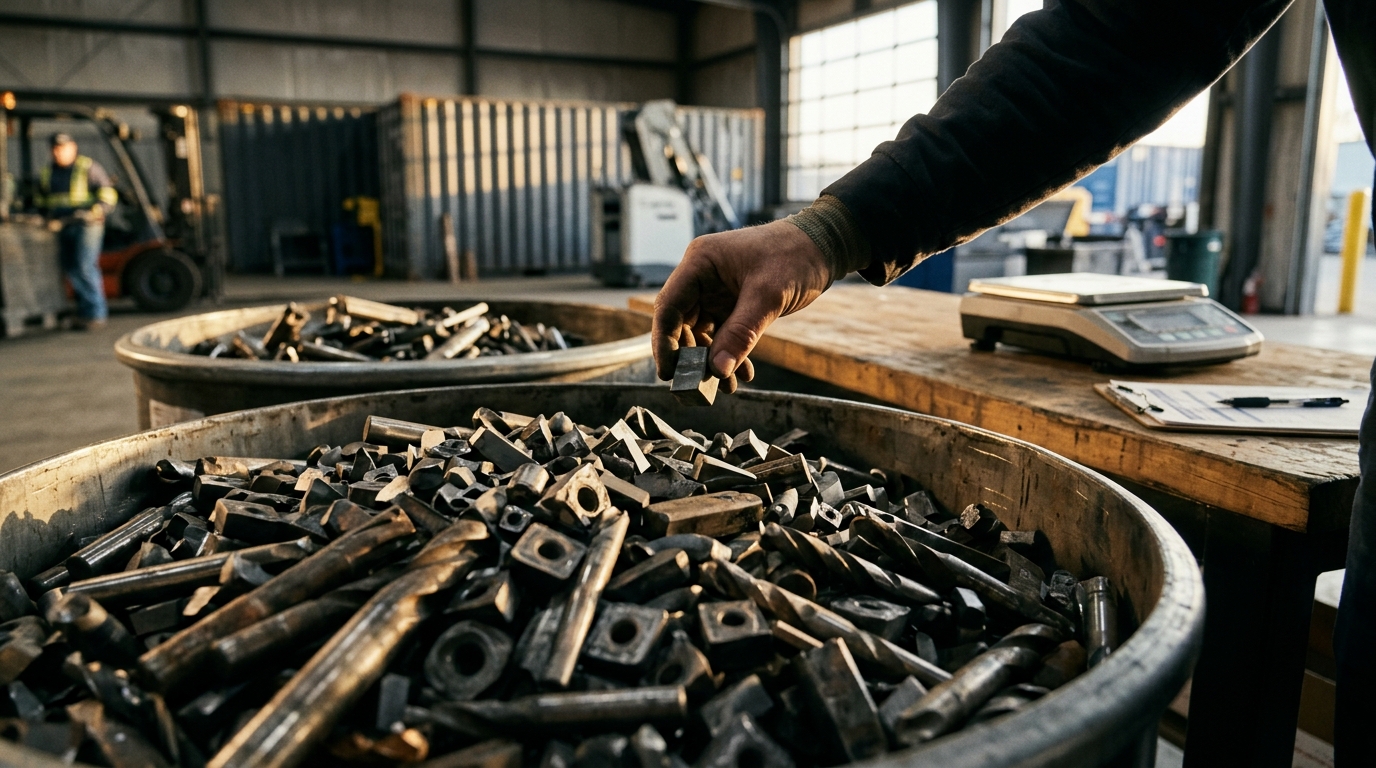
Tungsten carbide is one of the most valuable materials in the industrial scrap ecosystem, yet many manufacturers and workshops leave significant money on the table by treating it as ordinary metal waste. According to recent market analyses, tungsten carbide scrap can command prices significantly higher than standard steel or even some aluminum alloys due to the complex extraction and refinement processes required to recover the tungsten and cobalt components. Understanding the specific grading criteria and market dynamics is essential for ensuring you receive fair compensation for your end-of-life cutting tools and inserts. (Tungsten Carbide Recycling Services)
Understand the Material Composition
Before you contact a scrap dealer, it is crucial to understand what you are actually selling. Tungsten carbide is not a pure metal. It is a composite material made of tungsten carbide particles bonded together with a binder, typically cobalt. This unique structure gives the material its extreme hardness and wear resistance, which is why it is the gold standard for cutting tools, drill bits, and milling inserts.
Tungsten carbide is a composite material consisting of tungsten carbide particles bonded with a metal binder. This definition is critical because the percentage of cobalt in the binder directly influences the scrap value. Higher cobalt content generally correlates with higher scrap value because cobalt is a valuable strategic metal in its own right. When you sell your scrap, you are selling both the tungsten and the cobalt content, so knowing the grade of your material helps you negotiate better.
Many industrial users confuse tungsten carbide with high-speed steel (HSS). While HSS tools are also valuable, they do not command the same premium as true tungsten carbide. Misidentifying your scrap can lead to being offered the wrong grade and, consequently, a lower price. Always verify the material type before initiating a sale.
The Grading System Explained
Scrap buyers do not pay a flat rate for all tungsten carbide. They use a rigorous grading system to categorize the material based on its physical characteristics and cobalt content. Understanding these grades allows you to sort your scrap effectively, ensuring you are not mixing high-value items with low-value ones.
Grade A: Clean Carbide
This is the highest tier of scrap. Grade A includes clean, uncontaminated carbide inserts, drill bits, and end mills. There should be no oil, grease, or other foreign materials attached to the pieces. Clean carbide commands the top market price because it requires minimal processing before the cobalt can be recovered.
Grade B: Dirty or Mixed Carbide
Grade B typically includes carbide that has been used in applications involving heavy oil, coolant, or other contaminants. While the tungsten and cobalt are still present, the cleaning process required to extract them adds cost for the recycler. This cost is deducted from the price you receive. Keeping your scrap clean is the single most effective way to maintain Grade A status.
Grade C: Low Cobalt or Mixed Metals
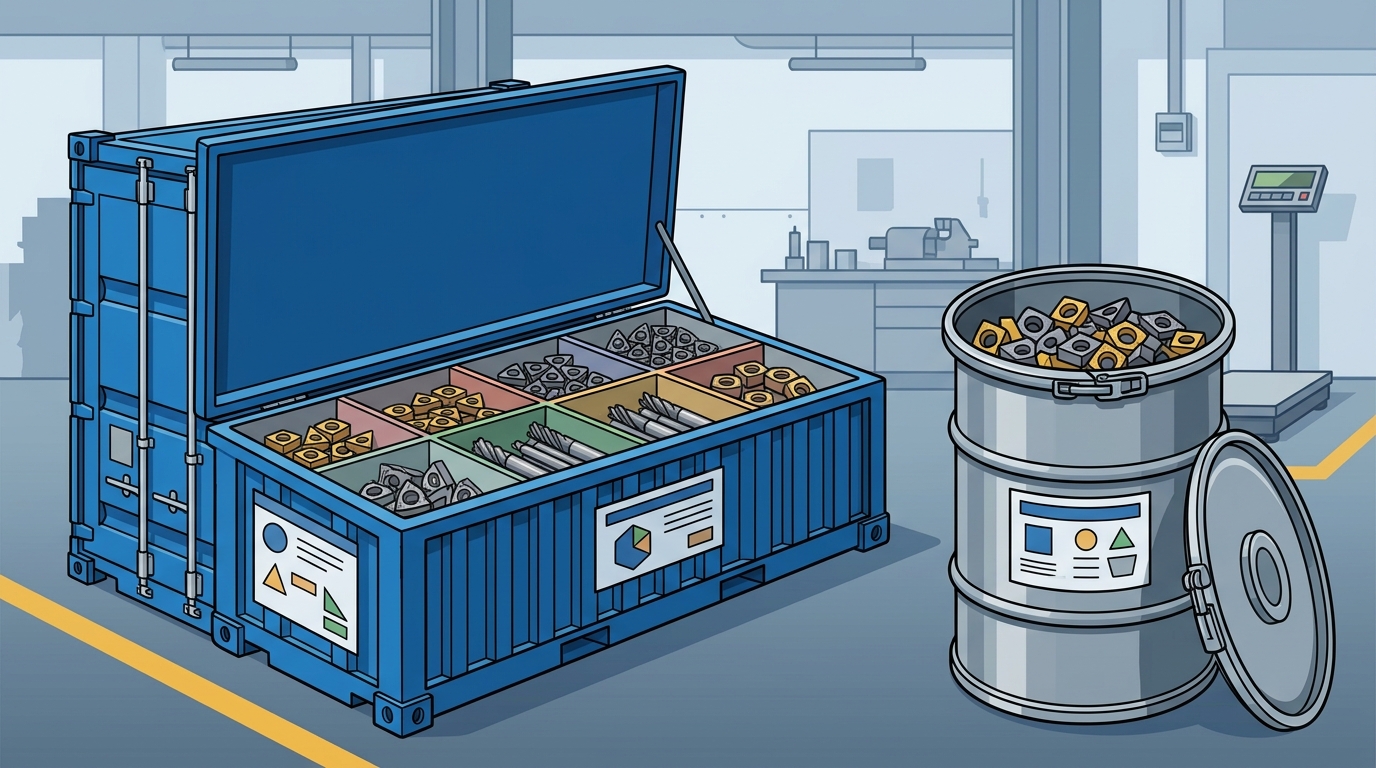
This grade often includes carbide with lower cobalt content or carbide that is mixed with other metals like steel shanks. If you have drill bits with steel shanks welded to the carbide tips, these must be separated. The steel shank has negligible value compared to the carbide tip. Mixing them will result in the entire lot being downgraded to a lower price point.
Preparation and Sorting
Proper preparation is not just about cleanliness; it is about segregation. The most common mistake sellers make is combining different types of carbide into a single bin. For example, mixing carbide inserts with carbide-tipped saw blades can dilute the value of the inserts if the saw blades have a different cobalt percentage.
Separate your scrap by type and cobalt content to maximize your final payout. If you have a large volume of scrap, consider investing in a simple magnetic separator. Since the binder is cobalt, which is ferromagnetic, you can use strong magnets to separate the carbide from non-magnetic contaminants like aluminum or copper chips. This ensures that your load is pure and ready for immediate grading.
Additionally, remove any non-carbide components. Drill bits often have steel shanks that need to be broken off or cut away. Milling inserts should be kept separate from carbide end mills if possible, as their geometries and cobalt percentages may differ. A clean, well-sorted load signals to the buyer that you are a professional seller, which can sometimes lead to more favorable payment terms.
Finding the Right Buyer
Not all scrap dealers are created equal. Some buyers specialize in non-ferrous metals like aluminum or copper and may not have the infrastructure to process tungsten carbide efficiently. Others may offer a low base price and then deduct heavy fees for cleaning or testing. To get the best value, you need a buyer who specializes in tungsten carbide and has direct access to the refining market.
Look for a buyer that offers transparent pricing policies. This means they should clearly explain how they determine the cobalt percentage and how that translates to the final dollar amount per pound. Avoid buyers who refuse to show their testing methods or who pressure you to sell immediately without a quote.
Geographic location also plays a role in logistics costs. While many buyers offer nationwide shipping, local buyers may offer better rates for smaller loads due to reduced transportation overhead. However, for large industrial volumes, the difference in shipping costs is often negligible compared to the price per pound offered. Prioritize the price per pound over the location of the buyer.
Pricing Factors and Market Trends
The price of tungsten carbide scrap is volatile and tied to global commodity markets. The cost of tungsten ore and cobalt mining directly impacts what recyclers are willing to pay. According to industry reports, the global tungsten market has seen significant fluctuations in recent years due to supply chain constraints and increased demand from the electronics and aerospace sectors.
Market prices for tungsten carbide scrap fluctuate based on global cobalt and tungsten commodity indices. This means that the price you receive today might be different from the price you received last month. It is wise to monitor market trends and time your sales accordingly. If you have a large accumulation of scrap, consider selling in batches to capitalize on price spikes rather than waiting for a single large sale that might miss the peak.
Another factor is the volume of your scrap. Buyers often offer tiered pricing structures. A load of 500 pounds might receive a different rate per pound than a load of 5,000 pounds. If you are a consistent generator of scrap, negotiate a long-term contract or a standing offer that guarantees a minimum price regardless of market dips.
Key Takeaways
- Know Your Grade: Separate clean carbide (Grade A) from dirty or mixed materials to avoid downgrading your entire load.
- Cleanliness Matters: Remove oil, grease, and coolants. Clean scrap requires less processing and commands a higher price.
- Separate Steel: Always remove steel shanks from carbide-tipped drill bits. Steel has no value in the carbide scrap stream.
- Choose a Specialist: Work with a buyer who specializes in tungsten carbide, such as Carbide Kings, to ensure accurate grading and fair payment.
- Monitor the Market: Cobalt and tungsten prices fluctuate. Time your sales to align with high market periods.
- Volume Discounts: Larger loads often qualify for better per-pound rates. Consolidate your scrap if possible.
- Transparent Quotes: Always request a detailed quote that explains the cobalt percentage and any potential deductions.
Frequently Asked Questions
How is the price of tungsten carbide scrap determined?
The price is primarily determined by the cobalt content percentage and the current market price of cobalt. Buyers will test your scrap to determine the exact cobalt percentage and then apply the current market rate for cobalt, minus processing fees.
Can I sell small amounts of tungsten carbide scrap?
Yes, many specialized buyers accept small quantities. However, the price per pound may be slightly lower due to handling costs. Carbide Kings offers competitive pricing for both small and large volumes.
What is the difference between Grade A and Grade B carbide?
Grade A is clean, uncontaminated carbide. Grade B is dirty or contaminated with oil, coolant, or other materials. Grade A commands a higher price because it requires less cleaning and processing.
Do I need to remove steel shanks from drill bits?
Yes, absolutely. Steel shanks have no value in the carbide scrap stream and will lower the overall grade and price of your load. Always separate the carbide tip from the steel shank.
How often does the price of tungsten carbide scrap change?
The price changes daily based on global commodity markets. It is influenced by the supply and demand for tungsten and cobalt. It is best to check with your buyer for the current day's rate.
What payment methods do scrap buyers accept?
Most reputable buyers offer wire transfer, check, or direct deposit. Ensure you understand the payment timeline before shipping your scrap.
Is tungsten carbide recyclable?
Yes, tungsten carbide is highly recyclable. The tungsten and cobalt can be recovered and reused in new cutting tools and industrial applications, making it a sustainable choice.
Get Your Free Quote Today
Stop leaving money on the table. Whether you have a few pounds of carbide inserts or thousands of pounds of industrial scrap, getting the best value requires a partner who understands the nuances of the tungsten market. Carbide Kings is America's top tungsten carbide buyer, offering the highest market prices, fast payments, and nationwide service. Contact us today for a free quote and discover the true value of your scrap.