
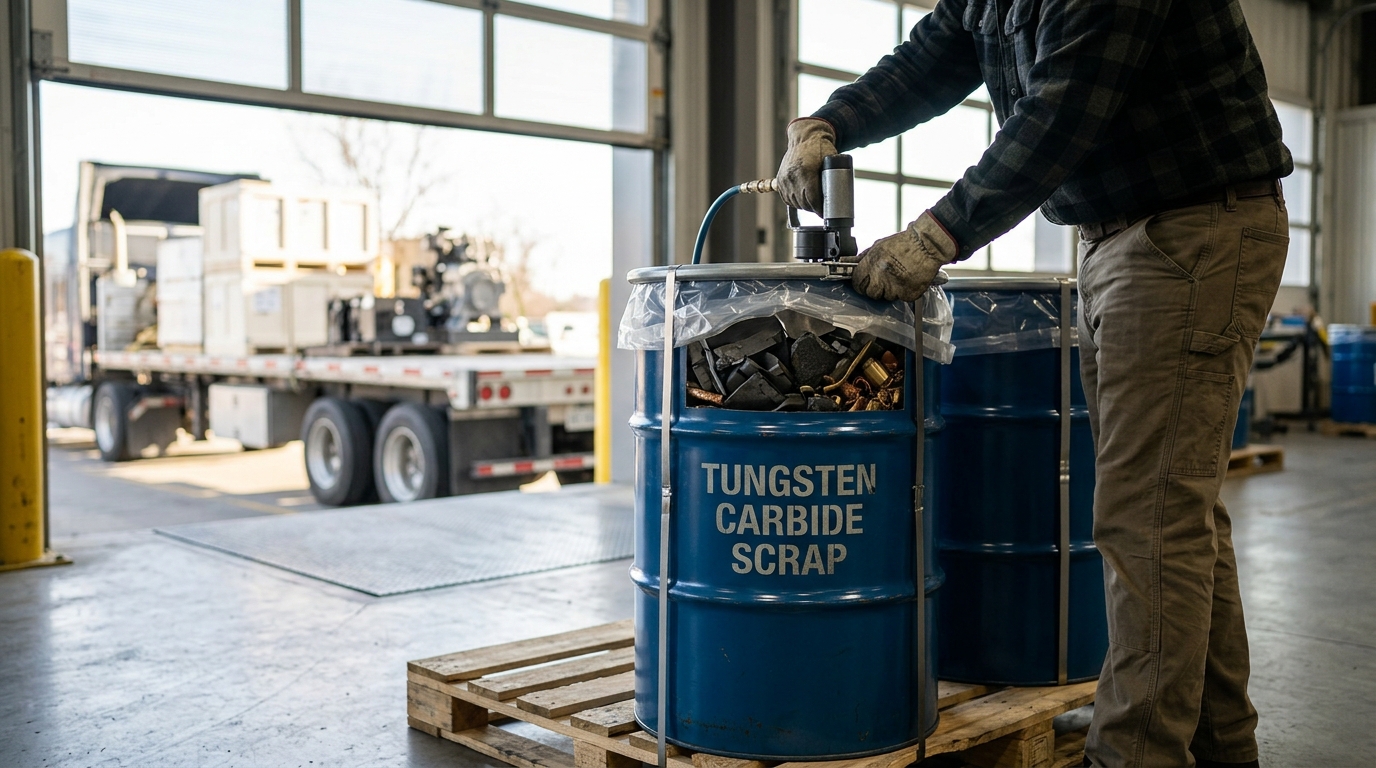
Tungsten carbide is one of the most valuable non-ferrous metals in the industrial recycling market, often commanding prices significantly higher than standard steel or aluminum. However, the high value of this material requires strict adherence to safety and logistics protocols during transit. According to recent industry data, improper packaging can lead to a 15% loss in potential revenue due to rejected shipments or contamination fees. This guide outlines the essential steps for preparing, packaging, and shipping your tungsten carbide scrap to ensure you receive the maximum market value without compromising safety or regulatory compliance. (About us Tungsten Buyers)
Understanding Tungsten Carbide Materials
Before you begin the shipping process, it is critical to correctly categorize your scrap. Tungsten carbide is not a single uniform material; it exists in various forms that require different handling approaches. Tungsten hard scrap refers to solid, intact tools such as drills, inserts, wear parts, and mining grades. These items are dense and durable, making them relatively easy to handle but heavy to ship. Tungsten soft scrap includes carbide sludge, swarf, powders, and filter materials. These materials are fine particulates that pose significant environmental and health risks if not contained properly. (Tungsten Carbide Recycling Services)
Separating these materials is the first step in maximizing your return. Mixing hard scrap with soft scrap can contaminate the entire batch, leading to lower assay results and reduced payment. At Carbide Kings, we specialize in separating these distinct categories to ensure accurate pricing. We also purchase other non-ferrous materials, but keeping tungsten carbide isolated is essential for maintaining its premium value. Understanding the difference between materials we purchase helps you prepare your inventory for the most efficient evaluation process.
Safety Preparation and Handling
Tungsten carbide is extremely dense, weighing approximately 15.6 grams per cubic centimeter. This density means that even small volumes of scrap can be surprisingly heavy. Proper handling techniques are necessary to prevent workplace injuries. When moving heavy chunks of tungsten rods or large mining grades, always use mechanical aids such as forklifts or pallet jacks. Manual lifting should be limited to smaller, manageable pieces. (Carbide Kings FAQs on)
For soft scrap materials like powders and sludges, respiratory protection is mandatory. Inhaling fine tungsten particles can pose serious health risks over time. Always wear appropriate personal protective equipment (PPE), including N95 masks or respirators, gloves, and safety goggles. OSHA guidelines emphasize the importance of controlling airborne particulates in industrial settings. By following these safety protocols, you protect your workforce and ensure that your scrap remains uncontaminated by oils, dirt, or other foreign substances that could lower its value.
Packaging Protocols for Heavy Scrap
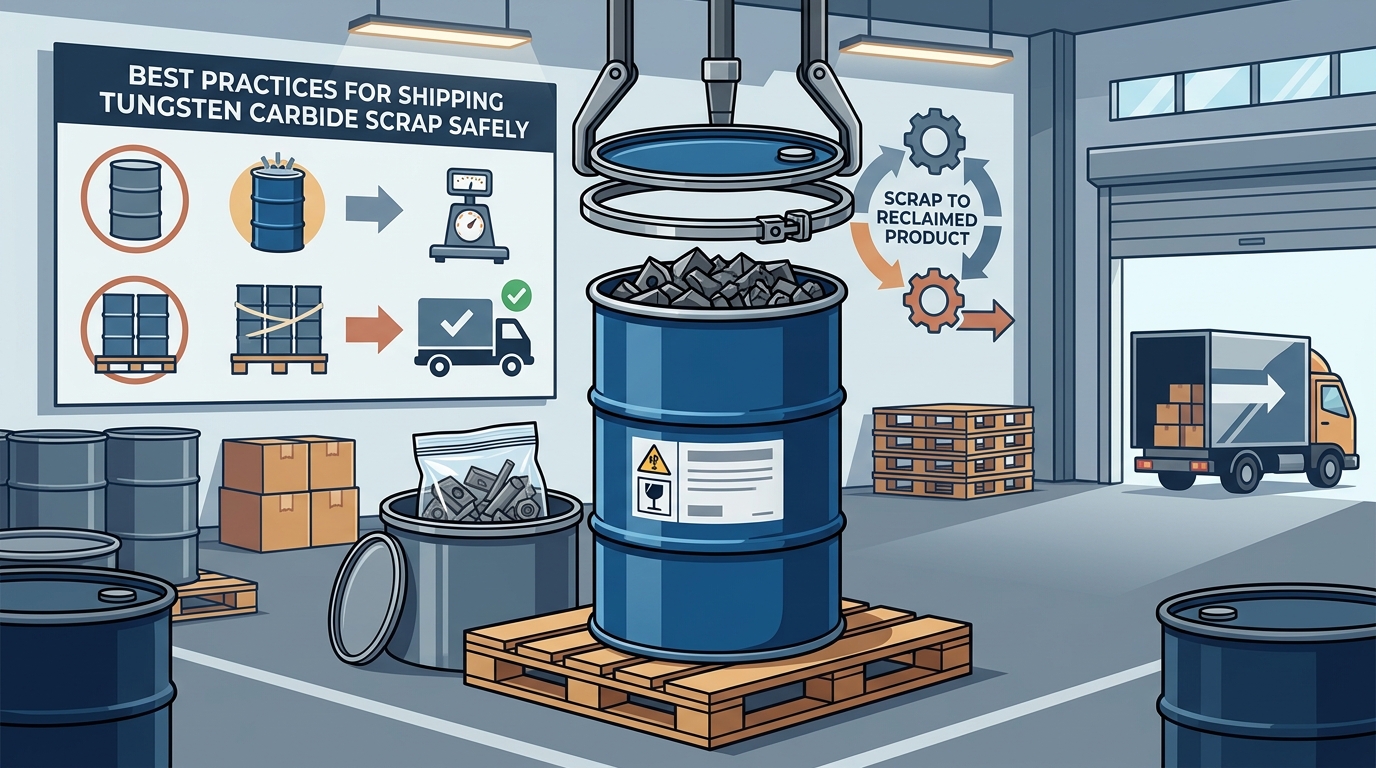
Packaging is the most critical factor in preventing damage during transit and ensuring accurate payment. Poor packaging can lead to spillage, contamination, or even rejection of the shipment. For hard scrap, use heavy-duty steel drums or reinforced wooden crates. These containers must be sealed tightly to prevent any loose pieces from shifting during transport. If you are shipping smaller inserts or drills, consider using sealed plastic bags inside the larger containers to prevent loss.
For soft scrap, containment is even more vital. Powders and sludges must be stored in airtight, moisture-proof containers. Double-bagging is often recommended to prevent any leaks. EPA regulations regarding hazardous waste management may apply depending on the contamination level of your sludge. Always consult with your recycling partner to determine the specific packaging requirements for your material type. Proper labeling of all containers with the material type and weight is also essential for smooth processing upon arrival.
Shipping Logistics and Carrier Selection
Choosing the right shipping method depends on the volume and weight of your scrap. For smaller quantities, such as a few hundred pounds, parcel carriers like FedEx or UPS may be cost-effective. However, for larger industrial volumes, freight shipping is the standard. Department of Transportation (DOT) regulations govern the transport of heavy industrial metals. Ensure that your freight carrier is experienced in handling dense, heavy loads to avoid damage to their vehicles and your materials.
Carbide Kings offers convenient services including on-site pickups and comprehensive shipping solutions. We provide clear instructions for both domestic and international exporters. If you are shipping from Charlotte, NC, or anywhere else in the United States, we can coordinate logistics to make the process as easy and profitable as possible. Our goal is to eliminate the complexity of shipping so you can focus on your core business operations. Visit our how to sell carbide scrap page for detailed step-by-step instructions on initiating a shipment.
Documentation and Compliance
Accurate documentation is essential for both payment processing and regulatory compliance. When you submit your scrap for evaluation, you must provide a detailed manifest listing the types and weights of the materials being shipped. This manifest should match the physical contents of your containers exactly. Discrepancies between the manifest and the actual load can delay payment and complicate the assay process.
Additionally, ensure that all necessary customs documentation is prepared if you are shipping internationally. Customs and Border Protection requires specific declarations for industrial metals. Carbide Kings has extensive experience navigating these regulatory landscapes, ensuring that your shipments clear customs smoothly. We also maintain strict confidentiality regarding your business data and transaction details, protecting your competitive advantage in the market.
Key Takeaways
- Separate Hard and Soft Scrap: Keep solid tools separate from powders and sludges to prevent contamination and maximize value.
- Use Heavy-Duty Packaging: Steel drums and reinforced crates are necessary for hard scrap to prevent damage during transit.
- Contain Powders Securely: Soft scrap must be sealed in airtight, moisture-proof containers to comply with environmental standards.
- Follow Safety Protocols: Wear appropriate PPE when handling fine particulates to protect against respiratory hazards.
- Accurate Documentation: Provide detailed manifests that match the physical load to ensure fast and accurate payment.
- Leverage Expert Logistics: Utilize specialized recycling partners who offer on-site pickups and comprehensive shipping support.
- Know Your Material: Understand the difference between tungsten carbide and other non-ferrous metals to avoid misclassification.
Frequently Asked Questions
How do I package tungsten carbide powder for shipping?
Tungsten carbide powder must be sealed in airtight, moisture-proof containers. Double-bagging is recommended to prevent any leaks or contamination during transit. Ensure the containers are labeled clearly with the material type and weight.
What is the difference between hard and soft scrap?
Hard scrap refers to solid, intact tools like drills, inserts, and wear parts. Soft scrap includes fine particulates such as carbide sludge, swarf, and powders. Separating these materials is crucial for accurate pricing and processing.
Can I ship tungsten carbide internationally?
Yes, Carbide Kings works with international exporters. However, you must ensure all necessary customs documentation is prepared. Our team can guide you through the specific requirements for cross-border shipments.
How does packaging affect the price I receive?
Poor packaging can lead to contamination or loss of material, which directly impacts the assay results. Clean, well-sealed scrap ensures that you receive the full market value for your tungsten carbide without deductions for contamination or handling issues.
What safety equipment do I need for handling carbide scrap?
For hard scrap, use mechanical aids like forklifts to prevent injury. For soft scrap, wear respiratory protection such as N95 masks, along with gloves and safety goggles, to avoid inhaling fine particles.
Does Carbide Kings offer pickup services?
Yes, we provide convenient services including on-site pickups for large volumes. This eliminates the need for you to arrange complex shipping logistics and ensures a secure transfer of materials.
How long does the payment process take after shipping?
Carbide Kings is known for fast payments. Once your shipment is received, weighed, and assayed, we process payments promptly. We strive to make the entire process simple and transparent for our suppliers.
What types of non-ferrous materials do you buy?
In addition to tungsten carbide, we purchase a wide range of non-ferrous materials including copper, brass, nickel alloys, Inconel, Monel, and titanium. Contact us for a comprehensive list of accepted materials.
Contact Us for a Quote
Ready to maximize the value of your tungsten carbide scrap? Carbide Kings is America's top buyer, offering competitive pricing, fast quotes, and nationwide service. Whether you are in Charlotte, NC, or shipping from anywhere in the United States, we are here to help. Contact us today for a free evaluation and discover why we are the preferred partner for machine shops, aerospace manufacturers, and industrial plants. Visit our carbide buyers near me page to get started.