
Tungsten carbide is not just another metal; it is a high-performance industrial material that retains significant residual value even after extensive wear. According to recent industry analyses, the global tungsten market has seen consistent growth driven by aerospace and manufacturing demands, making accurate scrap valuation critical for industrial profitability. Many facility managers leave thousands of dollars on the table by treating carbide as generic scrap metal. This guide details the precise methodologies to extract maximum financial return from your tungsten carbide inventory. (About us Tungsten Buyers)
Understanding Tungsten Carbide Value Drivers
To get the best value, you must first understand what constitutes tungsten carbide. Tungsten carbide is a composite material composed of tungsten carbide particles bonded with a metal binder, typically cobalt. This composition gives it extreme hardness and wear resistance, which directly correlates to its scrap value. Unlike standard steel or aluminum, tungsten carbide does not degrade in value simply because it is used. The tungsten content remains the primary driver of price.
Market fluctuations play a significant role in valuation. The price of tungsten is tied to global supply chains, particularly from regions like China and Russia. When supply tightens, prices for high-grade carbide scrap rise. Conversely, an oversupply can depress rates. Understanding these macroeconomic factors helps you time your sales for optimal returns. Industry reports indicate that specialized buyers often pay premiums above standard scrap yard rates because they can refine and reuse the material in new cutting tools.
Another critical factor is the cobalt content. Cobalt is a strategic metal with its own volatile market. Buyers analyze the ratio of tungsten to cobalt to determine the final offer. Higher cobalt content generally increases the base value, but the structural integrity of the carbide also matters. Contaminated or mixed materials are discounted heavily because they require more complex processing.
Separating Hard and Soft Scrap Types
One of the most common mistakes in scrap selling is mixing different types of carbide. Proper segregation is the single most effective way to increase your payout. Carbide scrap is generally categorized into two distinct groups: hard scrap and soft scrap. Each category has a different processing requirement and, consequently, a different market price.
Tungsten Hard Scrap
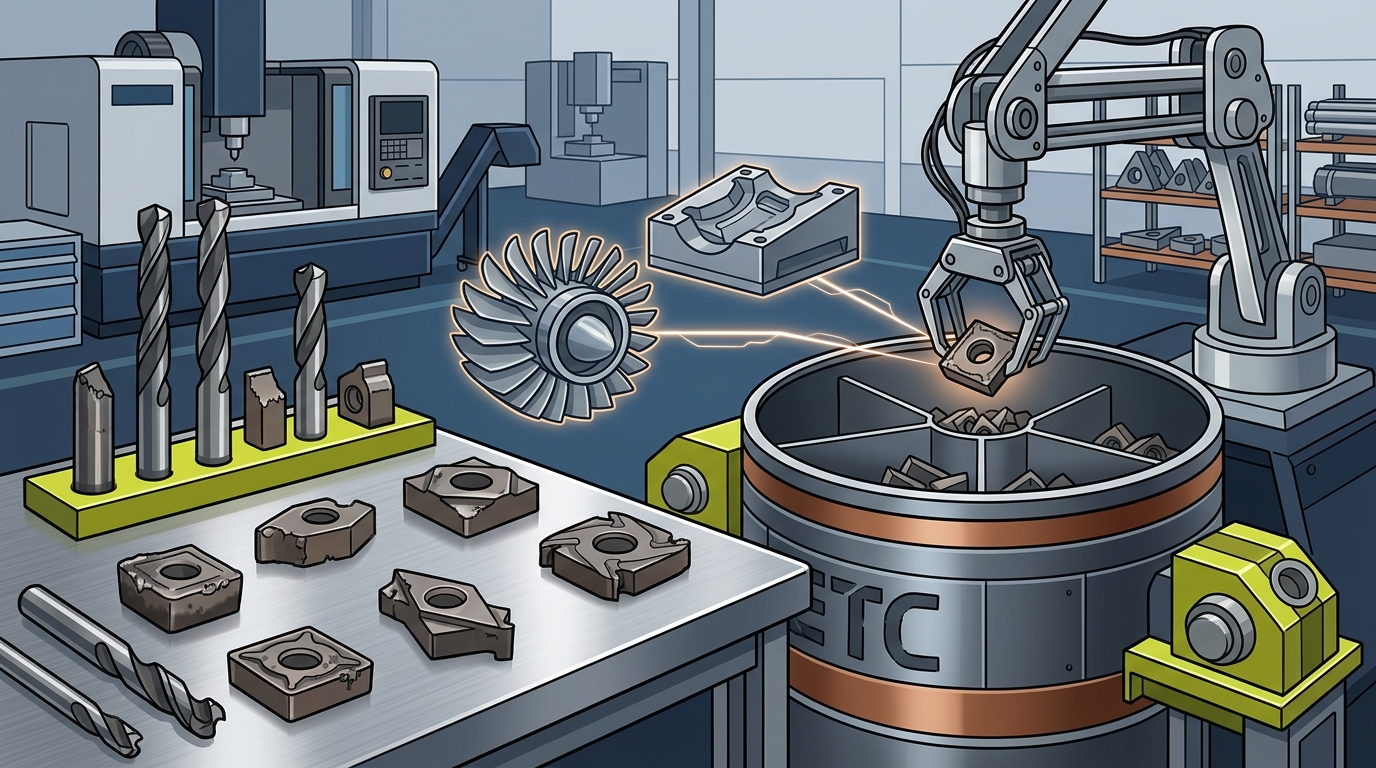
Tungsten hard scrap refers to solid, identifiable carbide items. This includes end mills, drills, inserts, wear parts, and mining grades. These items are valuable because they can often be directly reclaimed or melted down with minimal processing. The geometry of the tool does not significantly lower its value, provided it is clean. If you have large quantities of inserts or worn-out drills, these should be kept separate from powders or sludges.
Tungsten Soft Scrap
Tungsten soft scrap consists of powdered or sludge forms of carbide. This includes carbide sludge, swarf, powders, and filter materials. Soft scrap is generated during the grinding or machining of hard carbide. While it contains the same valuable metals, the processing cost to recover the tungsten is higher. Therefore, the price per pound is typically lower than hard scrap. Mixing hard and soft scrap will result in the entire batch being downgraded to the lower soft scrap rate.
Preparation for Maximum Profit
Preparation is not just about cleanliness; it is about accuracy. Buyers need to know exactly what they are purchasing to provide a fair quote. Contamination is the enemy of value. Oil, coolant, dirt, and non-carbide metals can drastically reduce the price you receive.
First, ensure all carbide items are free of excessive oil and coolant. While some buyers accept wet material, dry material often commands a slight premium due to reduced shipping weight and handling ease. Second, separate non-carbide metals. If you have steel shanks attached to carbide tips, these should be removed if possible. Steel is worth a fraction of a cent per pound compared to tungsten carbide. Leaving steel attached lowers the average grade of your shipment.
Accurate weighing is also essential. Use calibrated scales to determine the exact weight of your scrap. Discrepancies between your weight and the buyer's weight can lead to disputes and delayed payments. Documenting the weight and type of material before shipping provides a clear record for both parties. This transparency builds trust and ensures you are paid for what you actually sent.
Pricing Mechanisms and Market Rates
Understanding how buyers calculate price is crucial for negotiation. Most reputable buyers use a formula based on the current market price of tungsten and cobalt, adjusted for purity and quantity. The formula typically looks like this: (Weight x Tungsten Content %) x Tungsten Price + (Weight x Cobalt Content %) x Cobalt Price.
However, this is a simplified view. Buyers also factor in processing costs, logistics, and their own margin. This is why specialized buyers often pay more than general scrap yards. They have the infrastructure to refine the material and sell it back to manufacturers at a higher margin. General scrap yards must resell to refiners, adding a layer of middleman cost that is deducted from your payment.
Volume also influences pricing. Larger quantities often qualify for better rates because they reduce the per-unit handling cost for the buyer. If you have a consistent stream of scrap, consider negotiating a long-term contract or a tiered pricing structure. This can protect you from market volatility and ensure you always receive competitive rates.
Choosing the Right Buyer
Not all buyers are created equal. Choosing the right partner can mean the difference between a modest payout and maximizing your scrap value. Look for buyers who specialize in tungsten carbide rather than general scrap dealers. Specialists have deeper knowledge of the material and better access to end-users in the manufacturing sector.
Transparency is key. A good buyer will provide a clear, detailed quote that breaks down the tungsten and cobalt content. They should explain how they arrived at the price. If a buyer refuses to disclose their pricing methodology, it is a red flag. Additionally, check for reviews and testimonials from other industrial clients. Consistency in payment and communication is just as important as the price offered.
Logistics support is another important consideration. Does the buyer offer free shipping? Do they provide secure packaging? Do they handle customs for international shipments? These services add value and reduce your operational burden. A buyer who makes the process easy allows you to focus on your core business.
Comparison of Buyer Types
| Buyer Type | Typical Pricing | Processing Capability | Best For |
|---|---|---|---|
| General Scrap Yard | Low | Minimal | Small, mixed metal loads |
| Specialized Carbide Buyer | High | Advanced Refining | Pure carbide scrap, high volume |
| Direct Manufacturer | Variable | Direct Reuse | Specific tooling, large contracts |
Key Takeaways
- Segregation is Critical: Keep hard scrap (drills, inserts) separate from soft scrap (sludge, powder) to avoid downgrading your entire load.
- Understand the Composition: Tungsten carbide is a composite of tungsten and cobalt. Both metals drive the price, so purity matters.
- Choose Specialists: Specialized buyers like Carbide Kings pay more than general scrap yards because they can refine and resell the material directly to manufacturers.
- Prepare Your Material: Remove steel shanks and clean off excessive oil to ensure accurate weighing and higher grades.
- Verify Transparency: Always ask for a detailed breakdown of the quote. Reputable buyers will explain the tungsten and cobalt content calculations.
- Monitor Market Trends: Tungsten prices fluctuate. Timing your sale during periods of high demand can increase your return.
- Build Relationships: Consistent sellers often negotiate better rates. Establishing a long-term partnership with a reliable buyer ensures stability.
Frequently Asked Questions
How is tungsten carbide scrap priced?
Tungsten carbide scrap is priced based on the current market value of tungsten and cobalt, adjusted for the purity and weight of the material. Buyers analyze the chemical composition to determine the exact percentage of each metal.
Can I sell mixed carbide scrap?
While some buyers accept mixed scrap, it is highly discouraged. Mixing hard and soft scrap, or carbide with other metals, will result in a lower overall price because the buyer must process the entire load as the lowest grade material.
What is the difference between hard and soft carbide scrap?
Hard scrap consists of solid items like drills, end mills, and inserts. Soft scrap includes powders, sludges, and swarf generated during machining. Hard scrap typically commands a higher price due to easier processing.
How do I know if a buyer is reputable?
Look for transparency in pricing, positive industry reviews, and clear communication. Reputable buyers will provide detailed quotes and explain their valuation process. They will also have secure logistics and fast payment terms.
Does Carbide Kings offer free shipping?
Carbide Kings offers convenient services including on-site pickups and comprehensive shipping solutions to make recycling your scrap as easy and profitable as possible. Visit our How to Sell Carbide Scrap page for more details.
What types of carbide do you buy?
We buy all forms of tungsten carbide, including inserts, drills, end mills, wear parts, sludge, and powder. We also purchase non-ferrous materials. See our Materials We Purchase page for a full list.
How fast do you pay?
We pride ourselves on fast payments. Once your scrap is received and weighed, payment is processed promptly. Check our Sell Tungsten Carbide page for our current payment terms.
Contact Us
Ready to maximize the value of your tungsten carbide scrap? Do not settle for generic scrap yard rates. Contact Carbide Kings today for a free, no-obligation quote. Our team of experts is ready to help you navigate the market and secure the best possible price for your materials. Visit our Carbide Buyers Near Me page to get started.