Tungsten carbide is one of the most valuable industrial metals available for recycling, yet many manufacturers and machine shops leave significant capital on the table by treating it as generic scrap. Understanding the precise classification of your materials is the single most critical factor in determining your final payout. According to recent industry data from the U.S. Geological Survey, tungsten remains a critical mineral with supply chain constraints that drive premium pricing for high-purity reclaimed materials. By partnering with specialized buyers rather than general scrap yards, you can often secure rates that exceed local market averages by a substantial margin. This guide details the exact steps to evaluate, sort, and sell your tungsten carbide inventory for maximum profitability.
Understand Material Classification
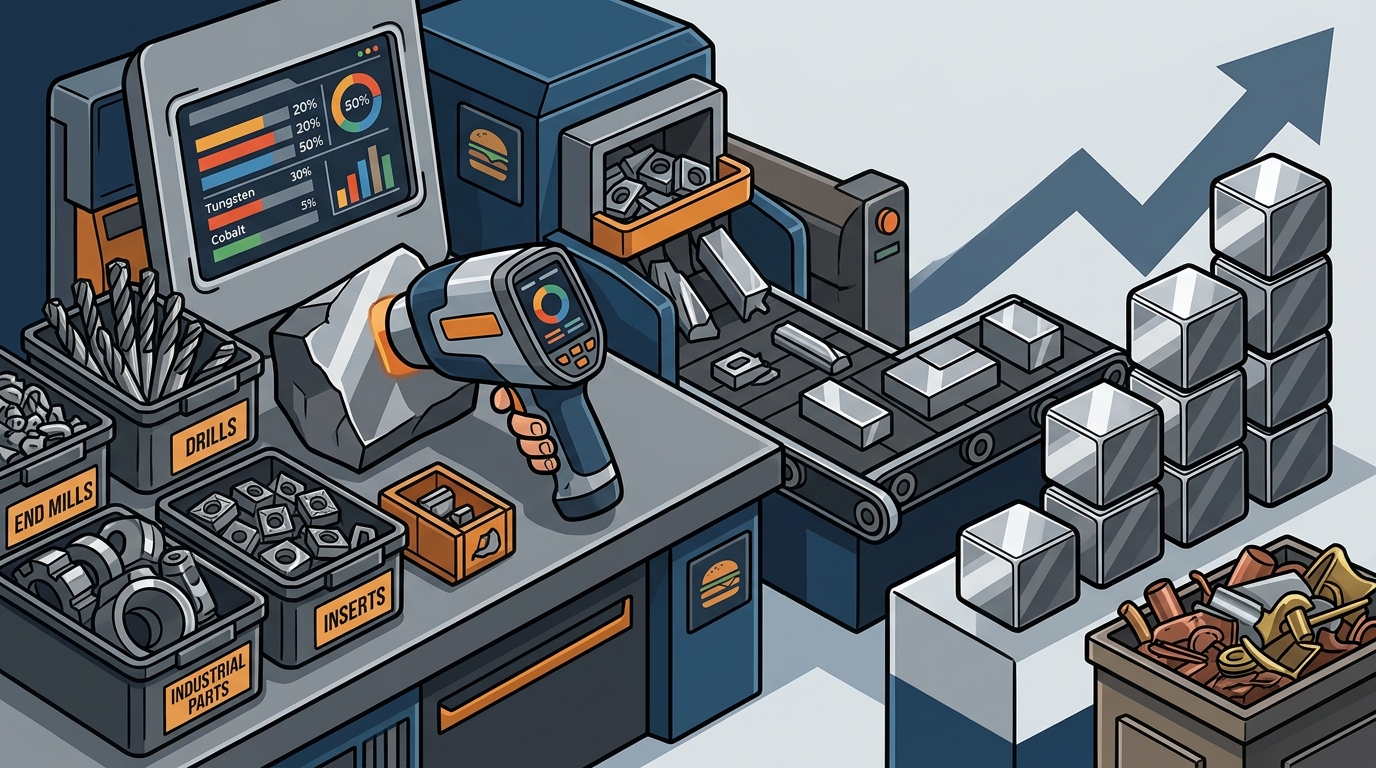
The foundation of getting the best value lies in knowing exactly what you have. Tungsten carbide scrap is not a monolithic category. It is divided into distinct grades, each commanding a different price point based on purity and processing difficulty. Hard scrap refers to solid, intact pieces of tungsten carbide that can be easily identified and processed. This category includes items like carbide drills, inserts, wear parts, and mining grades. Because these materials retain their original chemical structure, they require less intensive refining, allowing buyers to offer higher rates.
Conversely, soft scrap presents a different challenge. Soft scrap includes carbide sludge, swarf, powders, and filter materials. These materials are often contaminated with coolants, oils, or other metals, requiring complex chemical processing to extract the tungsten. While still valuable, the processing costs are higher, which typically results in a lower price per pound compared to hard scrap. Understanding this distinction allows you to negotiate from a position of knowledge. If you mix hard and soft scrap, the buyer must assume the risk of contamination, which often leads to a blended, lower average price for the entire load.
Additionally, you must distinguish between tungsten carbide and pure tungsten. Pure tungsten rods, wires, and powder are different alloys with their own market dynamics. Tungsten alloys involve combinations of tungsten with cobalt, nickel, or other superalloys. These specialized materials are often used in aerospace and defense applications. Misidentifying these materials can lead to significant financial loss. Always provide accurate descriptions of your inventory to ensure you receive the correct grade-specific quote.
Sorting Best Practices
Sorting is the most effective way to increase your bottom line. When you sell mixed scrap, the buyer will often grade down the entire shipment to the lowest common denominator. By separating your materials, you isolate the high-value components. Start by removing any non-carbide metals such as steel, aluminum, or copper. Even small amounts of steel can contaminate a batch of carbide inserts, reducing the overall purity and value.
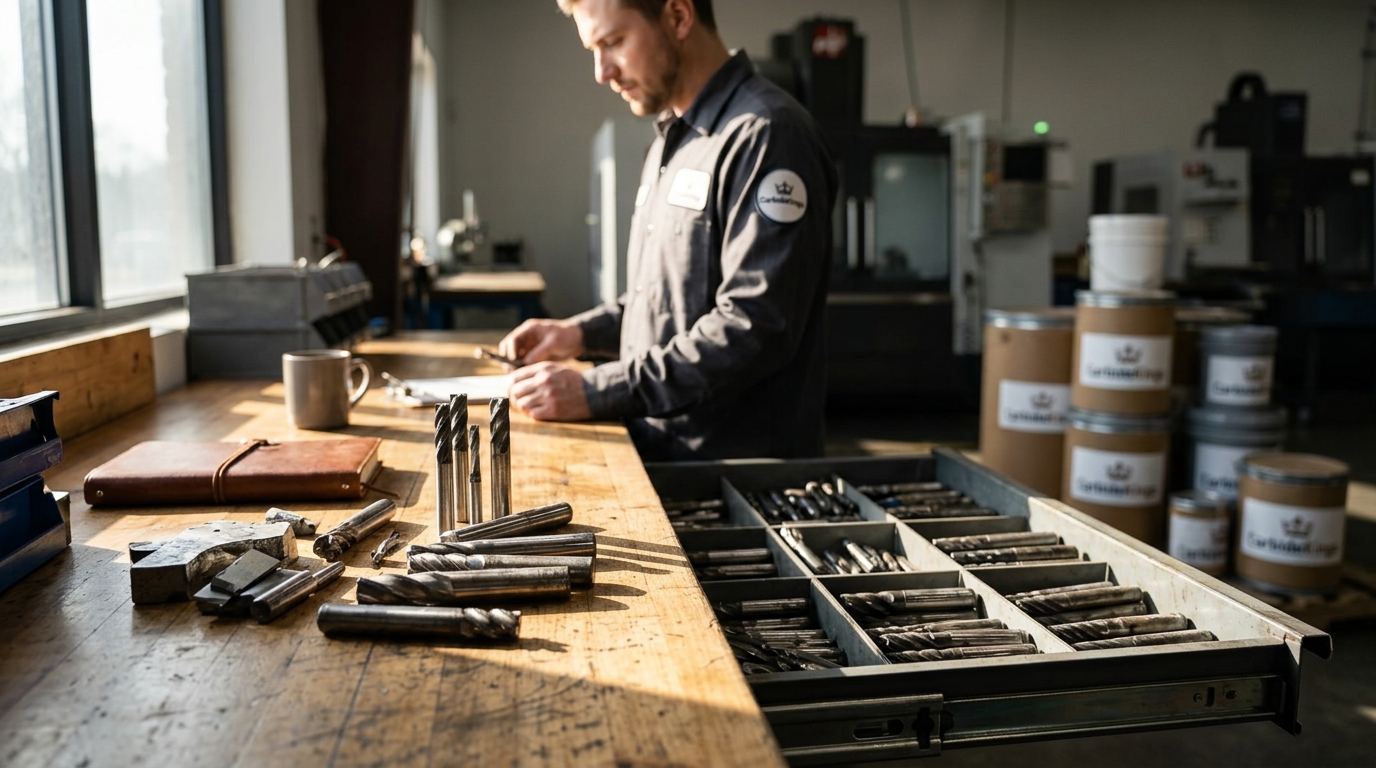
Separate your hard scrap from your soft scrap. Keep your carbide drills, end mills, and worn inserts in one container. Keep your sludge, swarf, and filter bags in another. This separation ensures that the buyer can offer you the premium hard scrap rate for your tools and the appropriate soft scrap rate for your waste materials. Consistent sorting practices within your facility can increase the average price per pound by 10 to 20 percent. This is not just a theoretical benefit; it is a practical result of reduced processing risk for the recycler.
Consider the volume of your inventory. If you have a large quantity of a specific type of scrap, such as a large batch of carbide sludge, you may have more leverage in negotiations. However, if you have a small amount of high-value hard scrap, such as rare mining grades, do not dilute it with lower-value materials. Keep high-value items separate to ensure they are recognized and priced correctly. Review our comprehensive scrap program to understand how we categorize different types of materials for optimal valuation.
Pricing Mechanics and Market Trends
Tungsten prices are volatile and influenced by global supply chains, particularly from regions like China, which dominates primary tungsten production. According to market analysis from the London Metal Exchange, tungsten oxide prices fluctuate based on industrial demand from electronics and defense sectors. Understanding these trends helps you time your sales. If you anticipate a price drop, it may be wise to sell your inventory sooner. Conversely, if the market is trending upward, holding onto high-grade scrap for a short period might yield better returns, provided you have secure storage.
Payment speed is also a component of value. Some buyers offer lower prices but pay immediately, while others offer slightly higher rates with net-30 payment terms. For most businesses, cash flow is critical. Fast payment solutions ensure that the value you extract from your scrap is immediately available for operational use. Carbide Kings prioritizes fast payments to ensure that our partners can reinvest those funds quickly. This immediate liquidity is often more valuable than a marginal increase in price per pound.
Transparency in pricing is non-negotiable. A reputable buyer will provide a clear breakdown of how the price was calculated, including the current market rate for tungsten oxide and the processing fees for your specific material type. Check our current pricing guidelines to stay informed about market rates. Avoid buyers who are vague about their pricing structure or who refuse to provide a detailed quote before pickup. Hidden fees or unexpected deductions can erode the value of your sale significantly.
Logistics and Shipping Solutions
Convenience and cost efficiency in logistics play a major role in the net value of your scrap sale. Shipping heavy metals can be expensive and complex. Professional logistics management ensures that your scrap is transported safely and cost-effectively to the recycling facility. Buyers who offer free pickup services or subsidized shipping options effectively increase the value of your sale by reducing your overhead costs.
For businesses located in Charlotte, NC, and surrounding areas, local pickup services are particularly advantageous. Find carbide buyers near you to access convenient local services that reduce transit time and risk. For national clients, comprehensive shipping solutions are essential. Ensure that your buyer provides clear packaging guidelines to prevent leakage or contamination during transit. Proper packaging protects both your material and the carrier, ensuring that the full weight and purity of your scrap are preserved upon arrival.
Documentation is also a critical part of logistics. Maintain detailed records of your scrap inventory, including weights, types, and dates. This documentation helps you track the value of your scrap over time and provides a clear audit trail for your financial records. Learn how to sell carbide scrap efficiently by following our streamlined documentation and shipping protocols.
Choosing a Reputable Buyer
Not all scrap buyers are created equal. The quality of your relationship with your buyer directly impacts the value you receive. Look for a buyer with a long history in the industry. Experience in the field ensures that the buyer has the technical knowledge to accurately grade your materials and the financial stability to pay promptly. Carbide Kings has specialized in reclaiming tungsten for over 25 years, providing a level of expertise that newer entrants cannot match.
Communication is another key factor. A good buyer will be responsive, transparent, and proactive. They should provide regular updates on market trends and pricing changes. Learn more about our team and our commitment to customer service. Avoid buyers who are difficult to reach or who provide inconsistent information. Trust is built on consistent, honest communication.
Finally, consider the buyer's reputation in the industry. Look for testimonials, case studies, and reviews from other machine shops and manufacturers. Explore our carbide recycling company services to see how we have helped other businesses maximize their scrap value. A buyer with a strong reputation is more likely to offer fair prices and reliable service.
Key Takeaways
- Classify Accurately: Distinguish between hard scrap (drills, inserts) and soft scrap (sludge, swarf) to secure higher rates for pure materials.
- Sort Rigorously: Remove non-carbide metals and separate material types to avoid grade-downs and contamination penalties.
- Monitor Market Trends: Track tungsten oxide prices and global supply chain data to time your sales for maximum financial return.
- Prioritize Fast Payments: Choose buyers who offer immediate liquidity to improve your business cash flow.
- Leverage Logistics: Utilize free pickup or subsidized shipping services to reduce overhead costs associated with scrap sales.
- Verify Experience: Partner with buyers who have decades of industry experience, such as Carbide Kings, for accurate grading and reliable service.
- Maintain Documentation: Keep detailed records of weights and types to track value and ensure transparent transactions.
Frequently Asked Questions
What is the difference between hard and soft tungsten carbide scrap?
Hard scrap consists of solid, intact items like drills, inserts, and wear parts that retain their original structure. Soft scrap includes processed waste like sludge, swarf, and powders that require more complex chemical refining. Hard scrap typically commands a higher price per pound due to lower processing costs.
How do I know if my tungsten carbide is valuable?
The value depends on the purity of the tungsten content and the type of binder used, usually cobalt. High-purity carbide with minimal contamination is more valuable. A professional buyer can provide a free evaluation to determine the exact grade and current market value of your materials.
Can I sell small quantities of tungsten carbide scrap?
Yes, many specialized buyers accept small quantities. While larger volumes may qualify for premium rates, even small amounts of high-grade carbide are valuable. Selling to a specialized buyer ensures you get a fair price regardless of the volume.
What is the process for selling tungsten carbide scrap?
The process typically involves contacting a buyer for a quote, receiving a pickup schedule, and having the materials weighed and graded upon arrival. Payment is then issued based on the final grade and current market price. Carbide Kings offers a streamlined process with fast quotes and payments.
Do you buy tungsten carbide nationwide?
Yes, specialized buyers like Carbide Kings offer nationwide services. We provide comprehensive shipping solutions and pickup options for businesses across the United States, ensuring that location is not a barrier to getting the best value for your scrap.
How often does the price of tungsten carbide change?
Tungsten prices fluctuate based on global supply and demand, industrial usage, and geopolitical factors. Prices can change weekly or even daily. It is important to stay informed about market trends to time your sales effectively.
What documents do I need to sell my scrap?
Typically, you only need to provide a description of your materials and their approximate weight. The buyer will perform the final grading and weighing upon receipt. Maintaining your own records of the initial weight helps ensure transparency in the transaction.
Why should I choose a specialized buyer over a general scrap yard?
Specialized buyers have the technical expertise to accurately grade tungsten carbide and the market access to offer higher prices. General scrap yards often lack this expertise and may pay significantly less for high-value materials.
Contact Us
Ready to maximize the value of your tungsten carbide scrap? Contact Carbide Kings today for a free, no-obligation quote. Our team of experts is ready to help you navigate the complexities of scrap recycling and ensure you receive the best possible price. Visit our homepage to learn more about our services and how we can support your business.