
Tungsten carbide is not just a material; it is a high-value asset that sits idle in your scrap bins if not managed correctly. According to industry data, tungsten scrap prices have seen significant volatility, with values often exceeding $20 per pound for high-grade hard scrap during peak market conditions. This means that a single pallet of unused carbide inserts or worn-out drills can represent thousands of dollars in lost revenue. Manufacturing companies that treat their scrap as waste are leaving money on the table, while those who optimize their recycling strategy turn industrial byproducts into a consistent profit center. This guide details the exact mechanisms to identify, separate, and sell your tungsten carbide scrap for maximum financial return.
Understanding Hard vs. Soft Scrap
The first step in maximizing revenue is accurate classification. Not all tungsten carbide is created equal, and buyers pay distinct rates for different forms. Misclassifying your materials can lead to significant underpayment. The two primary categories are hard scrap and soft scrap.
Tungsten Hard Scrap
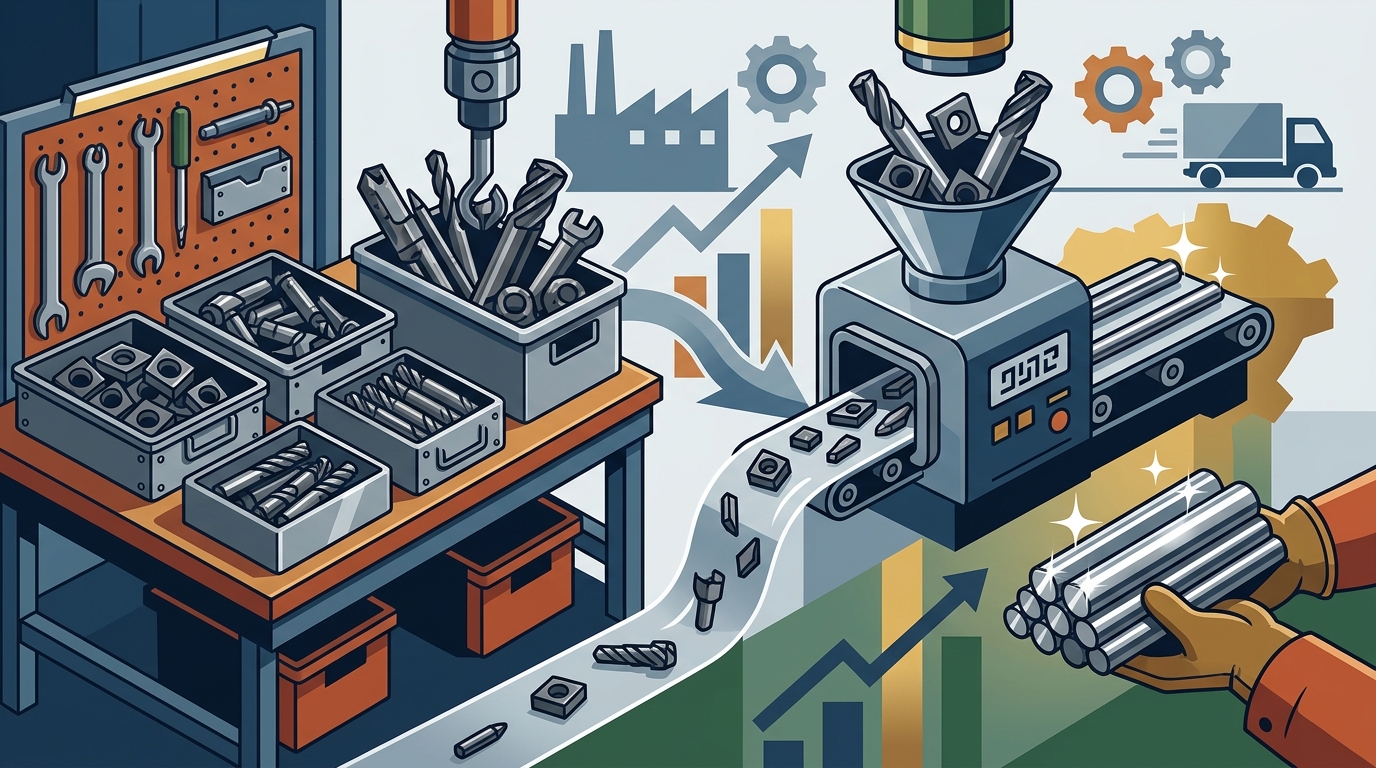
Tungsten hard scrap refers to solid, intact pieces of carbide that have been used or are obsolete. This includes carbide drills, end mills, inserts, wear parts, and mining grades. Because these items retain their structural integrity and chemical composition, they are the most valuable form of scrap. Buyers can easily verify the grade and purity of hard scrap, leading to higher offers. If you have a bin full of old carbide tools, you are sitting on a high-value asset.
Tungsten Soft Scrap
Tungsten soft scrap consists of powdered, sludgy, or swarf materials generated during the grinding or machining process. This includes carbide sludge, swarf powders, and filter materials. While still valuable, soft scrap requires more complex processing to extract the tungsten and cobalt. The purity of soft scrap can vary wildly depending on the machining fluids and coolants used. Properly separating soft scrap from hard scrap is critical because mixing them can downgrade the entire batch to a lower price tier.
Segregation Strategies for Higher Purity
Purity is the single biggest driver of price in the tungsten carbide market. Contamination from steel, aluminum, or other non-ferrous metals drastically reduces the value of your scrap. Manufacturing companies must implement strict segregation protocols at the source.
Start by designating specific, clearly labeled bins for different types of carbide. Never mix carbide inserts with steel shavings. Even small amounts of steel contamination can cause a buyer to reject a load or apply a heavy discount. Segregation is not just about organization; it is about profit protection.
Additionally, keep your scrap dry. Moisture can lead to oxidation and contamination, which complicates the recycling process. If you are dealing with wet sludge, ensure it is properly dried or handled according to the buyer's specifications. Clean, dry, and segregated scrap commands the top market rates. For more details on how to prepare your materials, review our How to Sell Carbide Scrap guide.
How Pricing Models Work
Understanding the pricing structure helps you negotiate better and anticipate your returns. The tungsten market is dynamic, influenced by global supply chains, mining output, and industrial demand. Prices fluctuate daily, often tracking the broader non-ferrous metal market.
Buyers typically offer prices based on the current market index for tungsten and cobalt. High-grade hard scrap often trades at a premium because it requires less energy to recycle. Soft scrap prices are usually lower due to the processing costs involved. It is essential to get quotes from multiple buyers to ensure you are receiving the best rate. Sell Tungsten Carbide services that offer real-time pricing updates can help you time your sales for maximum benefit.
Be wary of buyers who offer flat rates without assessing the purity of your material. A reputable buyer will inspect your scrap or request detailed photos and specifications before providing a firm quote. Transparency in pricing is a hallmark of a trustworthy partner. Visit our Sell Gold page to see how we handle other high-value non-ferrous materials with similar transparency.
Logistics and Shipping Solutions
Convenience plays a major role in the efficiency of your scrap management program. If the process of selling your scrap is cumbersome, you are less likely to do it regularly. Top-tier buyers offer comprehensive logistics support to remove this barrier.
Look for partners who provide on-site pickups for large volumes. This service eliminates the need for your staff to transport heavy materials to a central location, saving time and labor costs. For smaller volumes or remote locations, reliable shipping solutions are essential. The buyer should provide clear packaging guidelines and prepaid shipping labels to ensure safe transit.
Efficient logistics also mean faster payments. When the scrap arrives and is weighed, the transaction should be completed quickly. Delays in payment tie up your capital and reduce the overall value of the scrap. Carbide Recycling Company services that prioritize fast turnaround times help maintain healthy cash flow for manufacturing operations.
Choosing the Right Buyer
Not all scrap buyers are equal. The right partner will offer competitive pricing, transparent communication, and reliable service. Here is a comparison of key factors to consider when selecting a tungsten carbide buyer.
| Factor | Premium Buyer | Standard Scrap Yard |
|---|---|---|
| Pricing | Market-leading, real-time quotes | Fixed, often lower rates |
| Expertise | Specialized in tungsten carbide | General non-ferrous focus |
| Logistics | On-site pickup and shipping support | Drop-off only |
| Payment | Fast, transparent payments | Delayed or complex terms |
| Communication | Dedicated account management | General customer service |
Specialized buyers like Carbide Kings have decades of experience in the tungsten industry. They understand the nuances of different carbide grades and can offer more accurate valuations than general scrap yards. Their focus on tungsten carbide allows them to pay closer to the true market value. For more information on our background, check out our About Us Tungsten Buyers page.
Key Takeaways
- Classify Accurately: Separate hard scrap (drills, inserts) from soft scrap (sludge, powder) to maximize value.
- Maintain Purity: Avoid contamination from steel or other metals, as this significantly lowers your payout.
- Monitor Market Rates: Tungsten prices fluctuate; timing your sales can impact your revenue.
- Choose Specialists: Specialized buyers offer better pricing and expertise than general scrap yards.
- Leverage Logistics: Use on-site pickup services to save time and labor costs.
- Verify Reputation: Work with buyers who have a proven track record of fast payments and transparency.
- Track Your Scrap: Keep detailed records of your scrap volumes to monitor your revenue over time.
Frequently Asked Questions
What is the difference between hard and soft tungsten carbide scrap?
Hard scrap consists of solid, intact carbide items like drills and inserts. Soft scrap includes powdered, sludgy, or swarf materials generated during machining. Hard scrap typically commands a higher price due to its purity and ease of recycling.
How do I know if my scrap is contaminated?
Contamination is often visible as rust, oil, or mixed metals. If your scrap is mixed with steel or aluminum, it is considered contaminated. Buyers will inspect your material to determine the level of contamination and adjust the price accordingly.
Do you offer on-site pickup services?
Yes, we offer on-site pickup services for large volumes of scrap. This service is available for businesses across the United States. Contact us to schedule a pickup.
How quickly do you pay for scrap?
We offer fast payments upon receipt and weighing of your scrap. Our goal is to provide immediate liquidity for your recycled materials.
What types of tungsten carbide do you buy?
We buy a wide range of tungsten carbide materials, including inserts, drills, end mills, wear parts, sludge, powder, and mixed scrap. Visit our Carbide Buyers Near Me page for more details.
Can I sell small quantities of scrap?
Yes, we accept scrap from small quantities to large industrial volumes. Our pricing is competitive regardless of the amount.
How do I get a quote for my scrap?
You can get a quote by filling out our online form or calling us directly. We will provide a competitive offer based on the type and quantity of your scrap.
Get Your Free Quote Today
Stop letting your tungsten carbide scrap sit idle. Transform your industrial waste into immediate revenue with Carbide Kings. We offer the best prices in America, fast payments, and nationwide service. Contact us today for a free, no-obligation quote and discover the true value of your scrap. Visit our homepage to get started.